What is Hydrogen Peroxide?
Hydrogen peroxide (H2O2) is a chemical compound, a clear liquid, that acts as a mild antiseptic and oxidizing agent. It’s a readily available household item, often found in a 3% solution, and is celebrated for its versatility in cleaning and disinfecting. But beyond its antiseptic properties, hydrogen peroxide is a powerhouse when it comes to whitening and brightening various surfaces, including clothes. Its effectiveness stems from its ability to break down stains and remove discoloration by releasing oxygen. This process makes it a popular choice for those seeking a natural and effective laundry solution.
How Does Hydrogen Peroxide Whiten Clothes?
Hydrogen peroxide works its magic by oxidation. When it comes into contact with stains or discoloration on clothes, it releases oxygen molecules. These oxygen molecules then react with the stain-causing compounds, breaking them down into smaller, colorless components. This process is particularly effective on organic stains, such as those from food, grass, or sweat. It’s also gentler on fabrics compared to harsher chemicals like chlorine bleach, reducing the risk of damage and fabric degradation. The result is cleaner, brighter, and whiter clothes without the harshness associated with traditional bleaching agents.
Choosing the Right Hydrogen Peroxide
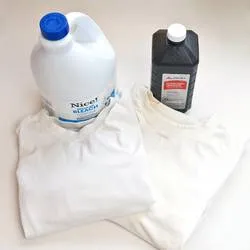
The concentration of hydrogen peroxide you use is crucial for both effectiveness and safety. The most common concentration available in stores is 3%, which is generally safe for laundry use. However, you can find higher concentrations (often used for industrial purposes), but these are considerably more potent and require extreme caution when handling. Always read the label on the hydrogen peroxide bottle to determine the concentration. For laundry, stick with the 3% solution to minimize the risk of damaging your clothes or causing skin irritation. Storing hydrogen peroxide properly is also vital; keep it in a cool, dark place, as light and heat can degrade the solution over time, reducing its effectiveness.
Concentration Matters
As mentioned, the 3% solution is ideal for most laundry tasks. Higher concentrations can be dangerous and may damage your clothes. Always dilute stronger solutions before use, and never mix hydrogen peroxide with other cleaning agents, especially bleach, as this can create hazardous fumes.
How to Use Hydrogen Peroxide to Whiten Clothes
Using hydrogen peroxide to whiten clothes is a straightforward process. Before you begin, it’s always a good idea to test the solution on a hidden part of the garment to ensure colorfastness. The steps are simple and can be incorporated into your regular laundry routine. You can add hydrogen peroxide directly to the washing machine or use it as a pre-treatment for stubborn stains. For a regular wash, add about 1/2 to 1 cup of 3% hydrogen peroxide to the washing machine along with your detergent. For best results, use warm or hot water, as this helps activate the hydrogen peroxide. For heavily soiled items, a longer soak in hydrogen peroxide solution might be necessary.
Pre-Treating Stains with Hydrogen Peroxide

For tough stains, pre-treating is the key. Mix hydrogen peroxide with a small amount of dish soap or baking soda to create a paste. Apply this paste directly to the stain, gently rub it in, and let it sit for about 10-15 minutes before washing. This method is particularly effective on stains like blood, sweat, and food spills. After pre-treating, wash the garment as usual, adding hydrogen peroxide to the washing machine to boost the whitening effect. Remember to rinse the garment thoroughly after pre-treating to ensure all the solution is removed.
Using Hydrogen Peroxide in the Washing Machine
For general whitening and brightening, add 1 cup of 3% hydrogen peroxide to your washing machine’s detergent dispenser or directly into the wash basin. Ensure the water temperature is warm or hot, as heat enhances the effectiveness of the hydrogen peroxide. Wash your white clothes as you normally would. The hydrogen peroxide will work alongside your detergent to remove stains and brighten the fabrics. Avoid overloading the washing machine to allow the hydrogen peroxide to reach all areas of the clothes. Regular use of hydrogen peroxide can keep your whites looking fresh and prevent them from yellowing over time. This simple addition to your laundry routine can make a significant difference in the appearance of your white clothes.
Boosting the Whitening Power
To boost the whitening power of hydrogen peroxide, consider these additional tips. Combining hydrogen peroxide with baking soda can create a powerful stain-removing paste. Adding a cup of lemon juice to the wash can also enhance the whitening effect due to its natural bleaching properties. Allowing the clothes to air dry in direct sunlight is another excellent method to brighten whites, as sunlight acts as a natural bleaching agent. However, be cautious with delicate fabrics, as prolonged sun exposure can sometimes cause fading. Always test these methods on a small, inconspicuous area of the fabric first to ensure they don’t cause any damage or discoloration. By employing these strategies, you can maximize the effectiveness of hydrogen peroxide in whitening your clothes.
Hydrogen Peroxide and Laundry Safety Tips

While hydrogen peroxide is generally safe for laundry use, it’s important to follow some safety precautions. Always test hydrogen peroxide on a hidden area of the garment before applying it to the entire piece of clothing, especially for colored fabrics, to ensure colorfastness. Avoid mixing hydrogen peroxide with other cleaning agents, particularly chlorine bleach, as this can produce hazardous fumes. When handling hydrogen peroxide, wear gloves to protect your skin, and avoid contact with your eyes. If hydrogen peroxide comes into contact with your skin or eyes, rinse immediately with plenty of water. Store hydrogen peroxide in a cool, dark place, away from direct sunlight and heat, and keep it out of reach of children and pets. Following these guidelines will ensure that you can safely and effectively use hydrogen peroxide in your laundry routine.
Testing for Colorfastness
Before applying hydrogen peroxide, test the garment in a hidden area, such as an inside seam, to ensure that the color will not be affected. Apply a small amount of hydrogen peroxide to the fabric and let it sit for a few minutes. Rinse and check if the color has faded or changed. If the color remains stable, it should be safe to use hydrogen peroxide on the entire garment. This simple step can prevent accidental discoloration or damage to your clothes, preserving their appearance and longevity.
What Fabrics are Safe?
Hydrogen peroxide is generally safe for use on most white fabrics, including cotton, linen, and polyester. However, it’s essential to exercise caution with delicate fabrics like silk and wool, as hydrogen peroxide can sometimes damage these materials. Always test a small, hidden area first. Avoid using hydrogen peroxide on colored fabrics unless you have tested them for colorfastness. If the color bleeds or fades, avoid using hydrogen peroxide on that specific item. It’s always better to be cautious and protect your garments from potential damage. For uncertain fabrics, consider hand washing with a gentle detergent and avoiding harsh chemicals.
Precautions to Take

When handling hydrogen peroxide, always wear gloves to protect your skin, and avoid contact with your eyes. In case of accidental contact, rinse immediately with plenty of water. Store hydrogen peroxide in a cool, dark place, away from direct sunlight and heat, to maintain its effectiveness. Keep it out of the reach of children and pets to prevent accidental ingestion or misuse. Do not mix hydrogen peroxide with other cleaning agents, particularly chlorine bleach, as this can create dangerous fumes. Always use the recommended concentration (3%) for laundry purposes. By following these simple precautions, you can ensure safe and effective use of hydrogen peroxide in your laundry routine.
Alternatives to Hydrogen Peroxide
If you prefer alternatives to hydrogen peroxide, several other natural and effective options are available for whitening clothes. Baking soda is a popular choice, as it can be added to your wash cycle to boost the cleaning and whitening power of your detergent. Lemon juice is another effective option, as its natural acidity can help brighten white fabrics. White vinegar is also a versatile cleaner that can be used to remove stains and odors, although it’s not as strong a whitener as hydrogen peroxide. Borax is a mineral-based cleaner that can be added to your laundry to boost the effectiveness of your detergent and help remove stains. Using these alternatives can provide a more environmentally friendly approach while still achieving bright and clean clothes.
Benefits of Whitening Clothes Naturally
Whitening clothes naturally with hydrogen peroxide and other alternatives offers several benefits. Firstly, it’s an environmentally friendly approach, as these solutions are often less harsh than commercial bleach and detergents. Secondly, these methods are generally safer for your clothes, reducing the risk of damage or wear and tear. Thirdly, they are often more cost-effective, as ingredients like hydrogen peroxide, baking soda, and lemon juice are typically inexpensive and readily available. Finally, using natural methods can be beneficial for those with sensitive skin or allergies, as they avoid exposure to strong chemicals. Embracing natural whitening techniques is a win-win for your clothes, your health, and the environment.
Addressing Common Whitening Problems

Even with the best methods, some common whitening problems can occur. Yellowing of white fabrics is a frequent issue, often caused by body oils, sweat, and detergent residue. Fading colors can occur if you’re not careful to test your hydrogen peroxide and using it on colored items. Maintaining white clothes requires a proactive approach. Regular washing with hydrogen peroxide or its alternatives, along with proper storage and care, can help prevent these issues and keep your whites looking their best.
Yellowing Fabrics
Yellowing of white fabrics can be frustrating, but it’s often treatable. The most common causes include body oils, sweat, and residue from detergents. To combat yellowing, use hydrogen peroxide in your wash cycle. Pre-treat heavily stained areas with a paste of hydrogen peroxide and baking soda. Ensure you are using the correct amount of detergent and consider an extra rinse cycle to remove any lingering residues. Regular washing with warm water and proper storage can also help prevent yellowing.
Fading Colors
Fading colors is usually the result of using harsh chemicals or washing colored clothes with hot water. Always test hydrogen peroxide on a hidden area of colored garments to ensure colorfastness. When washing colored clothes, use cold water and a mild detergent. Turn clothes inside out before washing to help protect the colors. Avoid drying colored clothes in direct sunlight, as this can also lead to fading. Following these steps will help preserve the vibrancy of your colored clothes and prevent premature fading.
Maintaining White Clothes

Maintaining white clothes requires consistent care and attention. Wash white garments separately from colored clothes to prevent color transfer. Use hydrogen peroxide or other whitening agents regularly to keep them bright. Avoid using excessive detergent, as this can leave residues that cause yellowing. Store white clothes in a clean, dry place, away from direct sunlight. Air drying white clothes in the sun is an excellent way to boost their brightness, but monitor the process to prevent overexposure. With these habits, your whites will remain fresh and appealing for a long time.