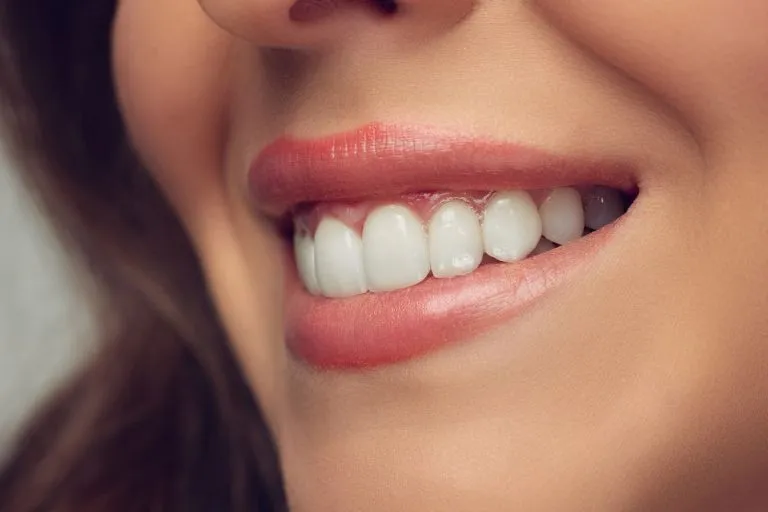
Understanding the Link Between Teeth Whitening and Gum Sensitivity
Teeth whitening is a popular cosmetic procedure, but it can sometimes lead to gum sensitivity and discomfort. The chemicals used in whitening treatments, primarily hydrogen peroxide or carbamide peroxide, can irritate the soft tissues of the gums. This irritation can manifest as a burning sensation, redness, swelling, or even bleeding. Understanding why this happens is the first step in preventing and managing the issue. Many people experience mild sensitivity during or after teeth whitening, but for some, the discomfort can be significant, making it crucial to take precautions and choose the right methods.
Common Causes of Gum Pain After Teeth Whitening
Several factors can contribute to gum pain following teeth whitening. It is important to identify the underlying cause to find an effective solution. Understanding these causes can help individuals make informed decisions about their whitening treatments and minimize potential discomfort. Here are the main contributors to the problem, that can affect your gums.
Irritation from Whitening Agents

The most common cause of gum pain is the chemical nature of the whitening agents themselves. Hydrogen peroxide and carbamide peroxide, the active ingredients in most whitening products, can irritate the gums. If the product comes into contact with the gums for an extended period, it can lead to inflammation and sensitivity. The concentration of the whitening agent plays a role; higher concentrations often lead to greater irritation. Proper application, such as avoiding direct contact with the gums, is crucial to minimize this risk. Always follow the product instructions carefully and consult with a dental professional for guidance.
Improper Application Techniques
Incorrect application of teeth whitening products can also lead to gum pain. Using too much product, applying it unevenly, or not fitting trays properly can cause the whitening agent to come into contact with the gums, increasing the risk of irritation. Overfilling trays, for example, can cause the gel to overflow and touch the gum tissue. Failing to wipe away excess product can have the same effect. Careful attention to detail during the application process is crucial. Review the product instructions and, if necessary, seek advice from a dentist to ensure correct application techniques.
Pre-existing Gum Conditions
Individuals with pre-existing gum conditions, such as gingivitis or periodontitis, are more susceptible to gum irritation during teeth whitening. The gums are already inflamed and sensitive, making them more vulnerable to the effects of whitening agents. Those with gum recession, which exposes the tooth roots, may also experience increased sensitivity. In these cases, it is crucial to address any existing gum issues before starting a teeth whitening regimen. Consulting with a dentist is essential to assess gum health and determine the suitability of whitening treatments.
Choosing the Right Teeth Whitening Method

Selecting the appropriate teeth whitening method can significantly impact the likelihood of experiencing gum pain. Different methods vary in terms of the concentration of whitening agents, application techniques, and the level of supervision. Making an informed choice involves understanding the pros and cons of each option and considering individual needs and sensitivities. Here are some common methods to consider.
Over-the-Counter Whitening Products
Over-the-counter (OTC) whitening products, such as whitening strips, gels, and toothpastes, are readily available and generally more affordable. However, they often contain lower concentrations of whitening agents, which means they might take longer to produce noticeable results. These products are usually applied at home, and the user is responsible for ensuring proper application. While they are convenient, OTC products may not be suitable for everyone, especially those with sensitive gums. Always read the product instructions carefully and follow them precisely to minimize the risk of irritation. If sensitivity develops, discontinue use and consult a dentist.
Professional Teeth Whitening Treatments
Professional teeth whitening, performed by a dentist, offers several advantages. Dentists can use higher concentrations of whitening agents, leading to faster and more effective results. They also have the expertise to protect the gums during the procedure, using barriers such as rubber dams or protective gels to prevent contact with the whitening agent. Professional treatments provide greater control and allow for the treatment of specific areas. While more expensive, professional whitening is often the safest option, particularly for those with sensitive gums or pre-existing dental issues. It’s always best to discuss options with a dentist.
Whitening Toothpaste and Strips

Whitening toothpastes and strips are common OTC options. Whitening toothpastes typically contain mild abrasives or low concentrations of whitening agents. While they can help remove surface stains, their whitening power is generally limited. Whitening strips are thin, flexible strips coated with a whitening gel. They are applied directly to the teeth and typically contain a higher concentration of whitening agents than toothpastes. Following the instructions carefully is crucial to minimize gum irritation. If you experience sensitivity, it’s recommended to reduce the frequency of use or switch to a less potent product. Always prioritize gum health and consult a dentist if you have concerns.
In-Office Whitening Procedures
In-office whitening procedures, performed by a dentist, offer the most controlled environment. Dentists use high concentrations of whitening agents and take measures to protect the gums, such as applying a protective gel or using a rubber dam. The process is fast, often completed in a single visit, and can produce dramatic results. The dentist can monitor the process closely, adjusting the treatment as needed to minimize sensitivity. Before the procedure, the dentist will assess the condition of your gums and teeth to ensure you’re a good candidate for the treatment. While in-office whitening is more expensive, it’s a safe and effective option for many.
Best Practices to Prevent Gum Pain During Whitening
There are several steps you can take to reduce the risk of gum pain during teeth whitening. These practices involve careful planning, proper product usage, and ongoing oral hygiene. It is important to prioritize gum health before, during, and after any whitening treatment. By following these guidelines, individuals can often achieve a brighter smile while minimizing discomfort and potential complications. Here are some best practices to implement:
Consulting with a Dentist

Before starting any teeth whitening regimen, it’s crucial to consult with a dentist. A dental professional can assess the health of your gums and teeth, identify any existing issues, and recommend the most suitable whitening method. They can also provide personalized advice on how to minimize gum sensitivity. During the consultation, the dentist can explain the potential risks and benefits of different whitening options, helping you make an informed decision. They may also perform a professional cleaning to remove surface stains before the whitening treatment, which can improve results. Regular dental check-ups are essential for maintaining oral health.
Using Whitening Products Correctly
Careful application of teeth whitening products is essential to prevent gum pain. Always follow the product instructions precisely, paying close attention to the recommended application time and amount of product to use. Avoid overfilling trays or applying excessive amounts of gel. Ensure the whitening product doesn’t come into direct contact with your gums. If using strips, carefully position them on your teeth, avoiding contact with the gum line. If any product touches your gums, wipe it away immediately. If you experience any sensitivity or irritation, stop using the product and consult with your dentist.
Protecting Your Gums
Taking steps to protect your gums during teeth whitening can significantly reduce the risk of discomfort. When using trays, ensure they fit your teeth properly and that the gel doesn’t overflow. Consider using a desensitizing toothpaste for a few weeks before and during the whitening process. If you are undergoing professional whitening, the dentist will take measures to protect your gums, such as applying a protective gel or using a rubber dam. Avoid whitening if you have open sores, ulcers, or other gum issues. These precautions can help safeguard your gum tissues from irritation.
Post-Whitening Gum Care

After teeth whitening, proper gum care is essential to soothe any potential irritation and maintain oral health. This involves gentle brushing, avoiding irritating foods, and staying hydrated. Following these practices can help your gums recover quickly and keep them healthy. By paying attention to your oral hygiene routine after whitening, you can enhance the results and minimize any discomfort. Here’s how to take care of your gums after whitening.
Soothing Gums After Whitening
If you experience gum sensitivity after teeth whitening, there are several ways to soothe your gums. Rinse your mouth with lukewarm water or a saltwater solution. Avoid using alcohol-based mouthwashes, as they can irritate the gums. Apply a desensitizing toothpaste to your gums. You can also take over-the-counter pain relievers like ibuprofen or acetaminophen to alleviate discomfort. Gently massage your gums with a clean finger to improve circulation and promote healing. Give your gums a break from whitening treatments until the sensitivity subsides. These steps will help calm your gums and make the recovery process faster.
Maintaining Oral Hygiene
Maintaining excellent oral hygiene is crucial for overall gum health, especially after teeth whitening. Brush your teeth gently twice a day with a soft-bristled toothbrush and a fluoride toothpaste. Floss daily to remove plaque and food particles from between your teeth and along the gum line. Avoid harsh scrubbing, as this can irritate the gums. Consider using a water flosser to reach difficult-to-clean areas. Drink plenty of water to stay hydrated, which can also help rinse away bacteria. Regular dental check-ups and professional cleanings are essential for maintaining healthy gums and teeth. Consistent oral hygiene will contribute to the longevity of your whitening results.
When to Seek Professional Help

While some mild gum sensitivity is normal after teeth whitening, it is important to know when to seek professional help. If you experience severe pain, persistent bleeding, or signs of infection, contact your dentist immediately. Other symptoms that warrant a visit to the dentist include significant swelling, blisters, or ulcers in your mouth. If the sensitivity lasts for more than a few days, or if your gums look unusually irritated, seek professional advice. Your dentist can assess the situation, provide treatment if needed, and offer guidance to prevent future issues. Addressing problems promptly can prevent complications and protect your oral health.
In conclusion, while teeth whitening can lead to temporary gum sensitivity, understanding the causes and taking preventative measures can minimize discomfort. Always consult with a dentist before starting any whitening treatment. Following proper application techniques, using appropriate products, and maintaining good oral hygiene will help you achieve a brighter smile while keeping your gums healthy. Prioritizing your oral health is the key to a successful and comfortable teeth whitening experience.