What is Activated Charcoal?
Activated charcoal has surged in popularity as a natural teeth whitening remedy, and it’s time to delve into its origins and composition. Unlike the charcoal you use for grilling, activated charcoal undergoes a specific processing procedure. This process involves heating carbon-rich materials, like coconut shells or wood, to high temperatures, followed by activation with steam or chemicals. This process creates a highly porous substance. This porosity is the secret behind its adsorptive properties, which enables it to trap toxins and chemicals. This capacity is what makes it effective for various applications, including teeth whitening. Understanding the source and creation of activated charcoal provides a foundation for comprehending how it functions as a teeth whitening agent.
How Activated Charcoal Works for Whitening
The mechanism by which activated charcoal aids in teeth whitening is quite straightforward. It works through adsorption, a process in which the charcoal’s porous surface captures and binds to stain molecules on your teeth. These stains can come from various sources, including coffee, tea, wine, and other foods. As you brush with activated charcoal, these stain particles get lifted away, which may result in a brighter smile. However, it is vital to understand that activated charcoal does not chemically alter the tooth enamel. Instead, it focuses on the superficial stains. This method is generally a gentler approach compared to some professional teeth whitening treatments, but it also may offer more gradual results.
Why Use Activated Charcoal for Teeth Whitening

Many people choose activated charcoal for teeth whitening due to its natural and cost-effective nature. Unlike many commercial whitening products that may contain harsh chemicals, activated charcoal is a more natural alternative that aligns with many people’s desire for a more holistic approach to oral care. Furthermore, it is easily accessible and usually more affordable compared to professional teeth whitening procedures or over-the-counter whitening kits. Activated charcoal can be readily found in health food stores, pharmacies, and online. This accessibility makes it a convenient option for those looking to enhance their smile without the significant financial investment or potential side effects associated with other treatments. The use of activated charcoal also appeals to individuals who prefer to avoid chemical additives and artificial ingredients in their daily routines.
Pinterest Guide Activated Charcoal Teeth Whitening
Pinterest serves as a rich source of visual inspiration and DIY guides for activated charcoal teeth whitening. You can find numerous images and tutorials showcasing how to use the product effectively. On Pinterest, you can discover various methods for applying activated charcoal. These methods include mixing it with water to create a paste, adding it to your toothpaste, or even incorporating it into homemade mouthwash recipes. Many posts also feature before-and-after photos and user testimonials, which can offer motivation and demonstrate the potential results. When exploring Pinterest, it is useful to critically assess the information. Prioritize content from trusted sources or those providing evidence-based advice. This helps to ensure you are following the most effective and safe practices for using activated charcoal in your oral hygiene routine.
Best Practices for Activated Charcoal Use
To use activated charcoal safely and effectively, there are a few best practices to follow. Begin with a high-quality activated charcoal product, ideally made from coconut shells or other sustainable sources. Mix a small amount of charcoal with water to form a paste, or carefully combine a small amount with your regular toothpaste. When brushing, use gentle, circular motions for about two minutes. Avoid scrubbing too vigorously, as this can potentially damage tooth enamel. It is also recommended that you rinse your mouth thoroughly after brushing to remove any remaining charcoal particles. Regularly using activated charcoal, such as a few times per week, is adequate. Using it too frequently can potentially wear down the enamel over time.
Preparing Your Charcoal Whitening Paste

Preparing your activated charcoal paste is a simple process. You can make a paste by mixing a small amount of activated charcoal powder with a small amount of water until it forms a smooth consistency. It should not be too watery. The exact ratio of charcoal to water will vary, but a good starting point is to use about a teaspoon of activated charcoal and enough water to create a paste. Alternatively, you can add a small amount of activated charcoal to your regular toothpaste. However, it’s important to use it sparingly, as excessive use could be abrasive. Before using the paste, make sure to test a small amount on one tooth to check for any sensitivity or allergic reactions. The objective is to create a paste that you can easily apply to your teeth without causing discomfort or irritation. You can add a drop of peppermint oil for a pleasant taste.
Step-by-Step Guide Applying Charcoal to Teeth
Applying activated charcoal to your teeth is a straightforward procedure. Begin by wetting your toothbrush and dipping it into the activated charcoal powder or the charcoal paste you have prepared. Gently brush your teeth using small, circular motions, ensuring that you cover all surfaces of your teeth. Make sure to focus on each tooth thoroughly. Allow the charcoal to remain on your teeth for about 2 minutes, which gives it enough time to bind to the stains. During the process, avoid excessive pressure to prevent enamel damage. Following this step, you will then rinse your mouth thoroughly to remove the charcoal particles.
How to Rinse and Clean Your Teeth
After brushing with activated charcoal, proper rinsing and cleaning are essential. Begin by rinsing your mouth thoroughly with water to remove the majority of the charcoal residue. You may want to use a cup to collect the initial rinse to avoid staining your sink. After the first rinse, brush your teeth again with regular toothpaste to get rid of any remaining charcoal particles. Make sure to reach all the crevices of your teeth and gums. You can also use a tongue scraper to ensure that your tongue is clean and free from charcoal residue. Flossing is also important to clear the charcoal from between your teeth. Proper rinsing and cleaning ensures that you effectively remove the charcoal, and also promotes overall oral hygiene.
Tips for Avoiding Sensitivity and Gum Irritation

To avoid sensitivity and gum irritation, it is crucial to apply activated charcoal with care. Avoid brushing too vigorously, as excessive pressure can damage your enamel and lead to tooth sensitivity. If you experience any discomfort during or after brushing, reduce the frequency or discontinue the use of activated charcoal. It is also essential to use a soft-bristled toothbrush to avoid abrasive damage. Additionally, some people find that using a charcoal paste with added ingredients, like bentonite clay or essential oils, can help to reduce sensitivity. It’s important to listen to your body and adjust your routine as needed. If sensitivity persists, consult your dentist to ensure that activated charcoal is appropriate for your specific oral health needs. Also, make sure you are drinking enough water to keep your mouth hydrated.
Evaluating Results and Managing Expectations
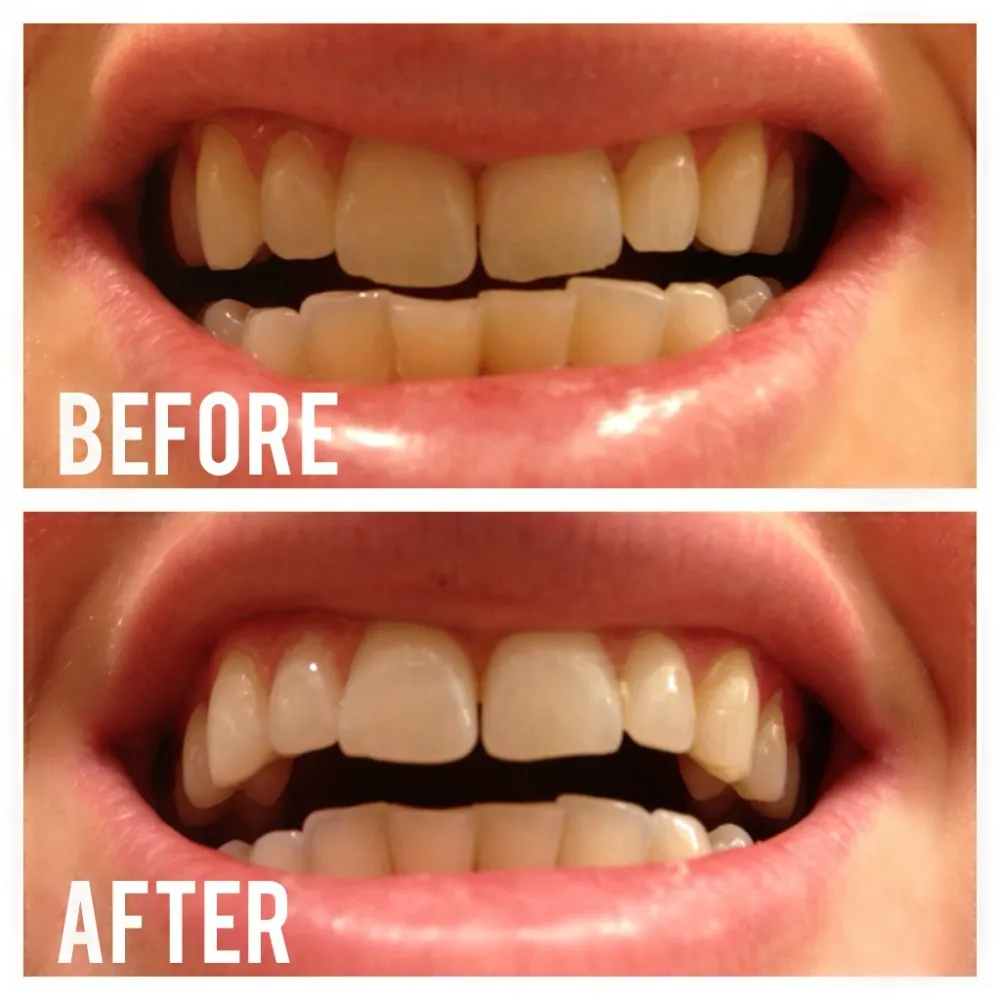
When using activated charcoal for teeth whitening, it is essential to manage your expectations. The results may vary from person to person, depending on the type and severity of the stains. Typically, you may notice some improvement in the brightness of your teeth after a few weeks of regular use. However, activated charcoal is not as powerful as professional teeth whitening treatments. It primarily addresses surface stains, and it is not effective for intrinsic stains. It is recommended to take ‘before’ and ‘after’ photos to track your progress and assess the whitening effect. Also, consider the overall health of your teeth and gums. Remember that healthy oral hygiene practices, such as regular brushing, flossing, and dental checkups, are very important.
Potential Risks and Side Effects
Although activated charcoal is generally considered safe, it is important to be aware of the potential risks and side effects. One of the main concerns is enamel abrasion, especially if you brush too vigorously or use it too frequently. Over time, this abrasion can weaken the enamel. Increased tooth sensitivity is also possible, particularly if you already have sensitive teeth. Some people may experience gum irritation or inflammation. Also, activated charcoal may interfere with certain medications. It is important to consult your dentist before using activated charcoal, especially if you have any underlying dental conditions. If you experience any adverse effects, discontinue use and seek professional dental advice.