
Understanding the Safety of Tooth Whitening and Breastfeeding
Maintaining good oral hygiene is essential, but the choices you make regarding teeth whitening while breastfeeding require careful consideration. The primary concern is the potential exposure of your baby to the chemicals used in these procedures. Many teeth whitening products contain ingredients that, while generally considered safe for adults, may pose risks to infants through breast milk. Therefore, understanding the potential hazards and making informed decisions is paramount for the health of both you and your baby. The goal is to achieve a brighter smile without compromising the well-being of your child. This article provides a comprehensive guide, helping you navigate the various options and make the safest choices during this special time.
Chemicals to Avoid During Breastfeeding
Several chemicals commonly found in teeth whitening products warrant caution when breastfeeding. It’s essential to be aware of these substances and their potential effects to protect your baby. Always consult with your dentist or healthcare provider for personalized advice.
Hydrogen Peroxide
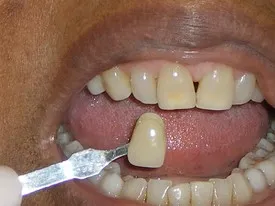
Hydrogen peroxide is a common bleaching agent in many whitening products, but its safety during breastfeeding is still debated. While the amount absorbed into the bloodstream might be minimal, there’s limited research on its impact on infants via breast milk. It’s generally advisable to use hydrogen peroxide cautiously or avoid it altogether during breastfeeding.
Carbamide Peroxide
Carbamide peroxide breaks down into hydrogen peroxide. Because of this, the same considerations apply. It is best to avoid or use products with carbamide peroxide sparingly while breastfeeding. Always check product labels and consult with your dentist or a healthcare professional before use.
Other Whitening Agents
Other whitening agents may also be present in various products, such as chlorine dioxide. The safety of these less common ingredients during breastfeeding is often not well-established. It is crucial to read product labels carefully and consult with your dentist or physician to understand potential risks. When in doubt, choosing products with fewer chemicals is generally a safer approach during breastfeeding.
Safe Tooth Whitening Methods for Breastfeeding Moms

While some teeth whitening methods should be avoided during breastfeeding, several safe options can help you achieve a brighter smile. Consulting your dentist is always recommended to determine the best course of action based on your individual needs and circumstances. Considering both the effectiveness and safety of the method is key to a successful outcome.
Professional Teeth Whitening
Professional teeth whitening performed by a dentist can be a safer option because the procedures are closely monitored, and the products used are often more controlled. Your dentist can assess your oral health and choose whitening agents that are less likely to pose a risk to your baby. Discussing your breastfeeding status with your dentist is crucial so that they can adjust the treatment plan accordingly. They might recommend a lower concentration of whitening agents or other precautionary measures. A professional can also minimize the risk of swallowing any whitening product.
Over-the-Counter Whitening Products
Over-the-counter (OTC) whitening products are readily available, but you should exercise caution when using them while breastfeeding. Always read labels carefully and look for products that are specifically labeled as safe for sensitive teeth or that contain lower concentrations of active ingredients. It’s also advisable to consult your dentist before using any OTC whitening products to ensure they align with your oral health needs and breastfeeding status. These products should be used as directed to minimize the risk of exposure.
Whitening Toothpastes

Whitening toothpastes often contain mild abrasives or low concentrations of hydrogen peroxide to remove surface stains. These are generally considered safer than stronger whitening treatments, but it’s still a good idea to be cautious. Choose a toothpaste with gentle ingredients and avoid swallowing excessive amounts. Regular use of whitening toothpaste can help maintain a brighter smile, but they usually provide a gradual improvement rather than dramatic results. Always check the ingredients list to ensure no concerning substances are present.
Whitening Strips
Whitening strips can be effective, but they typically contain higher concentrations of hydrogen peroxide. The strips are applied directly to the teeth, which means there’s a potential for some of the whitening agent to be absorbed or ingested. The risk is generally considered low, but consulting with your dentist is essential. If you choose to use whitening strips, follow the product instructions carefully and avoid overusing them. Shortening the application time can be a good way to minimize the risk of exposure while still achieving some whitening effect.
Natural and Safe Alternatives for Whitening
If you are concerned about using chemical-based whitening products, you can explore natural alternatives. These methods are generally gentler and pose fewer risks, making them a good choice for breastfeeding moms. Remember that the results may be more subtle compared to professional treatments, but they can still contribute to a brighter smile.
Coconut Oil Pulling

Coconut oil pulling involves swishing coconut oil in your mouth for about 15-20 minutes daily. This practice is believed to help remove bacteria and toxins, potentially contributing to whiter teeth and improved oral health. It’s a natural and safe method. However, the evidence supporting its whitening effects is limited. Consistency is key, and while coconut oil pulling is unlikely to cause any harm, it may not produce the same results as other whitening methods. It’s a good option for maintaining oral hygiene and can be easily incorporated into your daily routine.
Baking Soda and Hydrogen Peroxide
A mixture of baking soda and hydrogen peroxide has been used as a home remedy for teeth whitening. Baking soda acts as a gentle abrasive, while hydrogen peroxide provides some bleaching action. You can create a paste and brush your teeth with it. But it is important to use this method sparingly and cautiously. Excessive use of baking soda can damage tooth enamel. Because this method involves hydrogen peroxide, the same breastfeeding safety considerations apply. Always consult with your dentist before trying this home remedy to ensure it is appropriate for your oral health and to minimize potential risks.
Maintaining Oral Health While Breastfeeding
While you are focusing on teeth whitening, it’s equally important to prioritize your overall oral health. Good oral hygiene practices will not only support your smile but also contribute to your overall well-being. Regular dental check-ups and proper brushing and flossing techniques are critical, especially during breastfeeding. It’s also a great time to focus on a diet that will aid in your oral health goals.
Importance of Regular Dental Check-ups

Regular dental check-ups are crucial for maintaining your oral health, especially while breastfeeding. Your dentist can monitor your teeth and gums for any problems, such as cavities or gum disease, which can be more common during pregnancy and breastfeeding due to hormonal changes. During check-ups, your dentist can also provide professional cleanings to remove plaque and tartar, keeping your teeth healthy and bright. Make sure to inform your dentist that you are breastfeeding, so they can tailor your treatment plan and choose safe products. A routine checkup will allow you to address problems quickly.
Proper Brushing and Flossing Techniques
Effective brushing and flossing are the cornerstones of good oral hygiene. Brush your teeth at least twice a day for two minutes each time, using a soft-bristled toothbrush and fluoride toothpaste. Floss daily to remove food particles and plaque from between your teeth and under your gum line. Proper technique is essential. Make sure you’re brushing all surfaces of your teeth and reaching the back molars. Flossing should be gentle to avoid irritating your gums. These simple habits can help you keep your teeth clean and healthy. The combination of brushing and flossing will remove surface stains and prevent new ones from forming.
Dietary Considerations for a Bright Smile
Your diet plays a significant role in the appearance and health of your teeth. Some foods and drinks can stain your teeth. Limiting your intake of these items can help maintain a brighter smile. At the same time, including foods that promote oral health can further enhance your teeth’s appearance. You can optimize your diet by making mindful choices.
Limit consumption of staining foods and drinks like coffee, tea, red wine, and dark berries. Rinse your mouth with water after consuming these items to minimize their impact. Incorporate foods rich in calcium, such as dairy products and leafy green vegetables, to strengthen your teeth. Crunchy fruits and vegetables, like apples and carrots, can help clean your teeth naturally by increasing saliva production. Staying hydrated by drinking plenty of water is also essential, as it helps rinse away food particles and prevents dry mouth, which can contribute to staining.
Making informed choices about tooth whitening while breastfeeding is essential for protecting your baby’s health. Prioritize the safety of your child, and consult your dentist for personalized recommendations. Balancing your desire for a brighter smile with responsible choices will allow you to maintain excellent oral health during this special time. With the right approach, you can achieve a brighter smile safely and confidently while breastfeeding.