What is Tooth Enamel and Why is it Important?
Tooth enamel is the hardest substance in the human body, acting as the protective outer layer of our teeth. It’s a mineralized tissue primarily composed of calcium phosphate, arranged in a highly organized crystalline structure. This structure gives enamel its remarkable strength and durability, allowing it to withstand the immense forces of chewing and biting. Enamel’s importance lies in its role as the first line of defense against the wear and tear of daily life. It shields the sensitive inner layers of the tooth, such as the dentin and pulp, from damage caused by acids, bacteria, and temperature changes. Maintaining healthy enamel is crucial for preserving the health and function of our teeth, as well as preventing various dental problems.
The Composition and Function of Enamel
Enamel is primarily composed of hydroxyapatite, a crystalline form of calcium phosphate. This gives it its hardness and resistance to abrasion. The enamel structure also contains small amounts of water and organic material. The primary function of enamel is to protect the underlying tooth structures from physical, chemical, and bacterial attacks. It provides a smooth, hard surface for chewing, and its translucent nature allows light to pass through, contributing to the natural appearance of the teeth. Enamel acts as a barrier against acids produced by bacteria in the mouth, which can cause tooth decay. It also insulates the tooth from extreme temperatures, preventing sensitivity. The health of enamel is paramount for maintaining a healthy, functional, and aesthetically pleasing smile.
The Role of Enamel in Oral Health

Enamel plays a pivotal role in maintaining overall oral health. Its protective function prevents the progression of tooth decay and the development of dental infections. When enamel is compromised, the risk of cavities increases significantly. Cavities, if left untreated, can lead to pain, infection, and even tooth loss. Healthy enamel also helps maintain the structural integrity of the teeth, allowing for proper chewing and speaking. Furthermore, enamel contributes to the aesthetic appearance of teeth, influencing the brightness and overall look of a smile. The smooth surface of enamel also makes it easier to keep teeth clean, as it reduces the adhesion of plaque and bacteria. Without healthy enamel, the risk of various dental problems increases, making regular dental check-ups and proper oral hygiene practices essential for protecting this vital tissue.
How Teeth Whitening Works
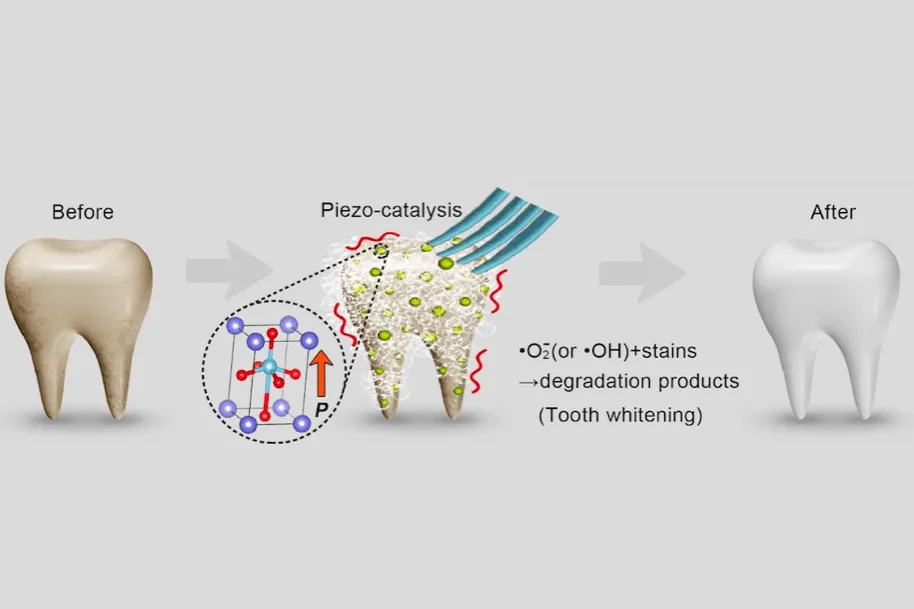
Teeth whitening typically involves the use of bleaching agents, most commonly hydrogen peroxide or carbamide peroxide. These agents penetrate the enamel and dentin, breaking down the stain molecules that cause discoloration. The process is oxidative; the whitening agents release oxygen radicals that react with the stain molecules, fragmenting them and making them less visible. There are various methods for teeth whitening, including professional treatments performed by a dentist and at-home options like whitening strips, gels, and toothpaste. The concentration of the whitening agent and the duration of exposure influence the effectiveness of the treatment. While teeth whitening can significantly improve the appearance of a smile, it’s essential to understand the potential impact on enamel and follow recommended guidelines to minimize any risks.
The Science Behind Teeth Whitening Products
The primary active ingredients in teeth whitening products, such as hydrogen peroxide and carbamide peroxide, work by releasing oxygen molecules. These oxygen molecules then penetrate the porous enamel and react with the organic stain molecules trapped within. The reaction breaks down these larger molecules into smaller, less visible ones, thereby lightening the overall color of the tooth. The concentration of the peroxide determines the speed and intensity of the whitening process; higher concentrations typically yield faster results but can also increase the risk of side effects. Different products and methods use varying concentrations, with professional treatments generally using higher concentrations than at-home options. The efficacy and potential impact of these whitening products are determined by their chemical composition, method of application, and duration of use.
Different Types of Teeth Whitening Treatments

Teeth whitening treatments are available in a variety of forms, each with its own set of benefits and potential risks. Professional teeth whitening, performed by a dentist, often uses higher concentrations of bleaching agents and can produce quicker results. These treatments may involve the use of a special light or laser to accelerate the whitening process. At-home whitening options include over-the-counter products such as whitening strips, trays with bleaching gel, and whitening toothpastes. Whitening strips are convenient and easy to use, while custom-fitted trays provided by a dentist can offer more even coverage. Whitening toothpastes contain mild abrasives or chemical agents to remove surface stains. The choice of treatment depends on individual needs, desired results, and the level of sensitivity to the whitening agents.
The Damage Teeth Whitening Can Cause to Enamel
While teeth whitening can enhance the appearance of a smile, it can also lead to enamel damage. The bleaching agents, such as hydrogen peroxide, can weaken enamel over time, making it more susceptible to erosion. Repeated exposure to these chemicals can strip away the minerals in enamel, leading to increased porosity and a rougher surface. This can make teeth more vulnerable to staining and sensitivity. The extent of the damage depends on factors like the concentration of the bleaching agent, the frequency of treatments, and individual tooth sensitivity. It’s crucial to use teeth whitening products as directed and consult with a dentist to minimize the risk of enamel damage and maintain overall oral health.
Enamel Erosion and Sensitivity
Enamel erosion is a significant concern with teeth whitening. The bleaching agents in whitening products can erode the enamel, leading to a loss of its mineral content. This erosion makes the enamel thinner and more porous, exposing the underlying dentin. Dentine contains tubules that connect to the nerves in the tooth, which is why teeth can become more sensitive to hot and cold temperatures after whitening treatments. This sensitivity can range from mild discomfort to sharp, shooting pains. Furthermore, eroded enamel is less effective at protecting against tooth decay, increasing the risk of cavities. Proper use of whitening products, along with the use of desensitizing toothpastes and other preventative measures, can help to manage and minimize enamel erosion and sensitivity.
Increased Risk of Cavities

When enamel is damaged by teeth whitening, the risk of developing cavities increases. Enamel acts as a protective barrier against acids produced by bacteria in the mouth. If this barrier is weakened, acids can more easily penetrate the tooth structure, leading to decay. The porous nature of eroded enamel also allows bacteria and sugars to accumulate, promoting the formation of cavities. Furthermore, whitening treatments may reduce the enamel’s ability to remineralize, a natural process by which minerals are restored to the tooth surface. This impairment can exacerbate the risk of cavities. Maintaining good oral hygiene, including regular brushing and flossing, along with dental check-ups, becomes even more critical after teeth whitening to mitigate the increased risk of cavities.
Gum Irritation and Soft Tissue Damage
Teeth whitening can sometimes cause irritation and damage to the soft tissues in the mouth, such as the gums. When the bleaching agents come into contact with the gums, they can cause inflammation, redness, and tenderness. This can happen if the whitening trays do not fit properly, allowing the bleaching gel to leak onto the gums, or if the whitening strips are not applied correctly. In some cases, excessive use of whitening products can lead to chemical burns on the gums. To prevent gum irritation, it is important to use products as directed, ensure that custom trays fit well, and avoid over-whitening. If irritation occurs, it’s crucial to stop using the product and consult with a dentist to determine the best course of action.
Factors that Influence Enamel Damage
Several factors can influence the extent of enamel damage caused by teeth whitening. The concentration of the whitening agent is a key factor; higher concentrations of hydrogen peroxide or carbamide peroxide can be more effective at whitening but also increase the risk of enamel damage. The frequency of treatments is also critical; excessive or frequent whitening can lead to increased enamel erosion. Individual tooth sensitivity plays a role, as some individuals have naturally thinner enamel or pre-existing dental conditions that make their teeth more vulnerable. Furthermore, the use of abrasive toothpastes or vigorous brushing can exacerbate enamel erosion when combined with whitening treatments. Careful consideration of these factors is essential for minimizing potential enamel damage and maintaining oral health.
Concentration of Whitening Agents

The concentration of whitening agents, such as hydrogen peroxide and carbamide peroxide, significantly affects the risk of enamel damage. Higher concentrations often lead to faster and more dramatic whitening results. However, they also increase the likelihood of enamel erosion and sensitivity. Professional teeth whitening treatments typically use higher concentrations than over-the-counter products, so they are often conducted under the supervision of a dentist. The appropriate concentration depends on the individual’s needs, the severity of the staining, and the sensitivity of their teeth. It’s crucial to follow the instructions provided with the whitening product and consult with a dentist to determine the safest and most effective concentration for your specific situation. Using the wrong concentration can result in unnecessary damage to the enamel.
Frequency of Treatments
The frequency of teeth whitening treatments is a critical factor in determining the extent of potential enamel damage. Overuse of whitening products can significantly increase the risk of enamel erosion and sensitivity. Repeated exposure to bleaching agents weakens the enamel over time, making it more porous and vulnerable to external factors. It’s essential to adhere to the recommended treatment schedule provided with the whitening product and avoid excessive or frequent use. Maintaining a consistent, but not excessive, whitening routine helps to achieve the desired results while minimizing the risk of harm. Consulting with a dentist can help you to establish a safe and effective whitening plan tailored to your individual needs and oral health condition.
Individual Tooth Sensitivity
Individual tooth sensitivity varies, and it plays a significant role in how teeth respond to whitening treatments. Some individuals have naturally thinner enamel or pre-existing dental conditions, such as enamel hypoplasia, that make their teeth more vulnerable to the effects of bleaching agents. People with sensitive teeth may experience increased discomfort, pain, and sensitivity after teeth whitening. It’s essential to consider your level of sensitivity before undergoing teeth whitening. If you have sensitive teeth, you may need to use lower concentrations of whitening agents, undergo shorter treatment durations, or use desensitizing products before and during the whitening process. Consulting a dentist is crucial to assessing your sensitivity level and developing a personalized whitening plan that minimizes potential discomfort and damage.
How to Minimize Enamel Damage from Teeth Whitening

There are several steps you can take to minimize the risk of enamel damage when undergoing teeth whitening. Choosing the right whitening method for your needs and oral health is crucial. Using whitening products correctly, as directed by a dentist or the product instructions, is essential for preventing damage. Practicing proper post-whitening care and maintenance, such as using desensitizing toothpaste and avoiding stain-causing foods and drinks, can also help to protect enamel. Regular dental check-ups and professional cleanings are vital for monitoring the health of your teeth and identifying any potential issues early on. By following these guidelines, you can enjoy the benefits of teeth whitening while safeguarding your enamel and maintaining a healthy smile.
Choosing the Right Whitening Method
Choosing the right teeth whitening method is crucial to minimize potential enamel damage and achieve desired results. Consider consulting with a dentist to determine the most suitable option for your individual needs and oral health. Professional whitening treatments, performed by a dentist, often involve higher concentrations of bleaching agents but are carried out under controlled conditions, reducing the risk of misuse. At-home whitening kits offer convenience but require careful adherence to instructions to avoid over-whitening. Consider your lifestyle, budget, and desired outcome when choosing a method. For individuals with sensitive teeth or pre-existing dental conditions, a dentist may recommend a more conservative approach, such as custom-fitted trays with lower-concentration gels, to minimize enamel damage.
Using Whitening Products Correctly
Using teeth whitening products correctly is essential to minimize enamel damage and ensure safety. Always follow the instructions provided by the product manufacturer or your dentist. Do not exceed the recommended treatment duration or frequency. If using whitening strips, ensure proper placement to avoid contact with the gums, which can cause irritation. When using trays with whitening gel, make sure the trays fit snugly and that excess gel does not leak out. Avoid swallowing the whitening solution. If you experience any discomfort, sensitivity, or gum irritation, discontinue use and consult with your dentist. Sticking to the manufacturer’s guidelines and a dentist’s advice will protect your enamel and will get you the best results.
Post-Whitening Care and Maintenance

Proper post-whitening care and maintenance are crucial to protect enamel and sustain the results of teeth whitening. After whitening, it’s recommended to use a desensitizing toothpaste containing ingredients such as potassium nitrate to help reduce tooth sensitivity. Avoid consuming highly acidic foods and drinks, such as citrus fruits, carbonated beverages, and coffee, as these can weaken the enamel and increase sensitivity. Also, limit your intake of stain-causing foods and beverages, like red wine, berries, and tea, to prevent re-staining. Maintain a diligent oral hygiene routine, including regular brushing, flossing, and dental check-ups. Consider using a fluoride-containing toothpaste to strengthen the enamel. By following these recommendations, you can maintain your bright smile while minimizing the risks of enamel damage.
Alternatives to Teeth Whitening
If you’re concerned about the potential risks of teeth whitening or are not a suitable candidate, there are several alternative options to consider for improving the appearance of your smile. Professional dental cleaning and polishing can remove surface stains and brighten teeth. Dental veneers and bonding are cosmetic procedures that can cover up discoloration and imperfections, providing a long-lasting solution. Discussing these alternatives with your dentist can help you determine the best approach for achieving your desired aesthetic results while preserving the health of your teeth and enamel. Considering other options can help you enhance your smile without the risks associated with whitening.
Professional Dental Cleaning and Polishing
Professional dental cleaning and polishing is a great alternative to teeth whitening, particularly for removing surface stains and improving the brightness of your teeth. During a cleaning, the dental hygienist uses specialized instruments to remove plaque, tartar, and stains from your teeth. Polishing is then performed to smooth the tooth surfaces, making it more difficult for stains and bacteria to adhere. This process helps to restore your teeth’s natural color and leaves them feeling clean and fresh. Unlike teeth whitening, professional cleaning and polishing does not involve bleaching agents, so it doesn’t pose the same risks of enamel damage or sensitivity. Regular dental cleanings also help maintain overall oral health by preventing the buildup of bacteria and reducing the risk of cavities and gum disease. If you have surface stains, professional cleaning may be all you need to achieve a brighter smile.
Other Cosmetic Dental Procedures

Besides professional cleaning, there are other cosmetic dental procedures you may consider as alternatives to teeth whitening. Dental veneers are thin shells made of porcelain or composite resin that are bonded to the front surface of your teeth. They can effectively cover up discoloration, chips, cracks, and other imperfections, providing a dramatic and long-lasting smile transformation. Dental bonding involves applying a tooth-colored resin to the tooth surface to repair minor cosmetic issues. This procedure is less invasive than veneers. In some cases, orthodontic treatments, such as braces or aligners, may improve the overall appearance of your smile by straightening and aligning your teeth. The best cosmetic dental procedure will depend on your specific needs and goals, so it’s essential to consult with a dentist to explore these options and determine the best approach for achieving a healthy and beautiful smile.