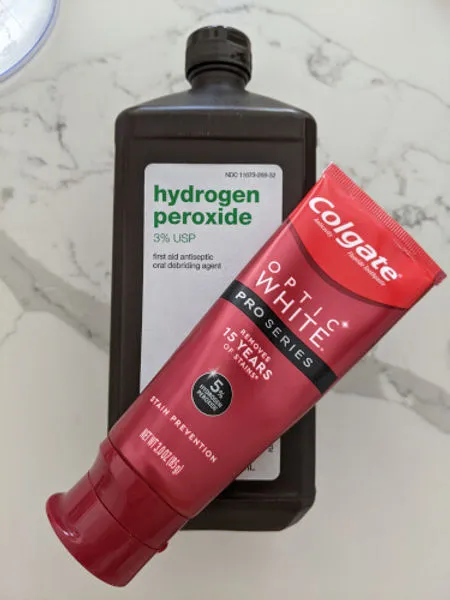
Achieving a brighter smile is a common goal, leading many to explore teeth whitening options. Hydrogen peroxide is a key ingredient in numerous over-the-counter and professional teeth whitening products. But, with its widespread use, a critical question arises: Is hydrogen peroxide teeth whitening safe? This comprehensive guide delves into the details, examining the effectiveness, potential risks, and safety considerations of using hydrogen peroxide for teeth whitening, helping you make informed decisions about your oral health.
What is Hydrogen Peroxide Teeth Whitening (H2)?
Hydrogen peroxide (H2O2) is a chemical compound used for various purposes, including teeth whitening. In dentistry, it serves as a bleaching agent to remove stains and discoloration from teeth. It works by breaking down the stain molecules within the enamel, resulting in a lighter, brighter appearance. The concentration of hydrogen peroxide varies in different products, with higher concentrations typically found in professional treatments. Understanding what hydrogen peroxide is and how it’s utilized is the first step in assessing its safety and efficacy in teeth whitening.
How Does Hydrogen Peroxide Whiten Teeth?
Hydrogen peroxide whitens teeth through an oxidation process. When applied to the teeth, it releases oxygen molecules, which penetrate the enamel and break down the stain compounds. These compounds are responsible for the discoloration that makes teeth appear yellow or stained. By breaking these down, hydrogen peroxide effectively lightens the teeth. The effectiveness depends on the concentration of hydrogen peroxide, the duration of application, and the specific type of stains being treated. The bleaching action makes it a popular choice for those seeking a quick and noticeable improvement in their smile’s appearance.
The Effectiveness of Hydrogen Peroxide

The efficacy of hydrogen peroxide in teeth whitening is well-documented. It can effectively remove stains caused by coffee, tea, tobacco, and other factors. However, the results can vary depending on the concentration of hydrogen peroxide and the individual’s dental condition. Professional treatments, which use higher concentrations, often provide more dramatic and faster results than at-home methods. While over-the-counter products can also whiten teeth, the process usually takes longer, and the results might be less significant. The effectiveness also depends on the type of stains; some stains respond better to hydrogen peroxide than others.
Concentration Levels and Safety
The safety of hydrogen peroxide teeth whitening is significantly influenced by the concentration used. Over-the-counter products generally contain lower concentrations (around 3% to 10%) and are considered relatively safe when used as directed. Higher concentrations used in professional treatments can produce more dramatic results, but also carry a higher risk of side effects if not properly administered. It’s crucial to follow the product instructions carefully and consult a dentist to determine the appropriate concentration for your teeth and dental health.
Dental Professional Recommendations
Dentists can provide valuable insights into the safety and effectiveness of hydrogen peroxide teeth whitening. They can assess your oral health, identify any underlying issues, and recommend the most suitable whitening method for your needs. Professional treatments administered by a dentist offer several advantages, including stronger concentrations of hydrogen peroxide, better control over the process, and reduced risks of side effects. Dentists can also monitor your progress and ensure your gums and teeth remain healthy throughout the whitening process. Consulting with a dental professional is essential for safe and effective teeth whitening.
Hydrogen Peroxide Whitening Risks

While hydrogen peroxide is an effective teeth whitening agent, it’s not without risks. Potential side effects include tooth sensitivity, gum irritation, and in rare cases, damage to the enamel. These risks are more common with higher concentrations of hydrogen peroxide and improper usage. It is essential to be aware of these risks and take steps to minimize them. The duration of the whitening treatment, as well as the frequency of application, plays a significant role in the extent of the potential side effects.
Sensitivity and Gum Irritation
Tooth sensitivity and gum irritation are common side effects of hydrogen peroxide teeth whitening. Sensitivity occurs when the hydrogen peroxide penetrates the enamel and reaches the dentin, causing temporary discomfort. Gum irritation, on the other hand, can result from the bleaching agent’s contact with the soft tissues of the gums. These side effects usually subside within a few days after stopping the treatment. Using products with lower concentrations, applying the whitening agent correctly, and avoiding excessive use can help minimize these issues. If sensitivity or irritation persists, it is crucial to consult with a dentist.
Enamel Damage Concerns
There are concerns about the potential for enamel damage with prolonged or improper use of hydrogen peroxide. Excessive use or high concentrations can erode the enamel, making teeth more vulnerable to decay and sensitivity. However, when used as directed and under professional guidance, the risk of significant enamel damage is relatively low. Proper application techniques, using the recommended concentrations, and avoiding overuse are critical. Regular dental check-ups can also help monitor the condition of your enamel and address any potential issues early on. Always prioritize the health of your teeth and consult with a dentist about any concerns you may have.
Hydrogen Peroxide Whitening Benefits

Despite the potential risks, hydrogen peroxide offers several benefits for teeth whitening. It is effective in removing stains and discoloration, leading to a brighter smile. Over-the-counter products and professional treatments are readily available, making it a convenient option. The results can be noticeable in a relatively short amount of time, boosting confidence and improving the overall appearance of your teeth. When used properly, hydrogen peroxide can be a valuable tool for achieving a more attractive smile. Choosing the right concentration and following the guidance of a dental professional can maximize the benefits while minimizing the risks.
Cost-Effectiveness and Accessibility
Hydrogen peroxide teeth whitening is often more cost-effective than some other cosmetic dental procedures. Over-the-counter products are affordable and widely accessible in drugstores and online. Professional treatments are more expensive but offer the advantage of expert supervision and potentially better results. The accessibility of both options makes hydrogen peroxide a popular choice for those seeking to enhance their smile’s appearance without significant financial investment. The cost and accessibility vary depending on the type of product or treatment, making it important to consider your budget and convenience when choosing a method.
Alternatives for Safe Teeth Whitening
Several alternatives to hydrogen peroxide teeth whitening are available for those seeking safer options. These alternatives include teeth whitening toothpastes, strips, and gels containing alternative bleaching agents, as well as professional treatments. Some of these methods use different chemicals or technologies to remove stains without the use of hydrogen peroxide. It’s essential to discuss your preferences and dental health with your dentist, who can recommend the best and safest teeth whitening method for you. Options include professional in-office whitening, custom-fitted trays with a dentist-prescribed whitening solution, and other advanced technologies.
In conclusion, while hydrogen peroxide can be an effective teeth whitening agent, understanding its safety is paramount. The potential risks of sensitivity, gum irritation, and enamel damage must be considered. By choosing the right concentration, following product instructions, and consulting with a dentist, you can safely and effectively whiten your teeth. Prioritizing your oral health and making informed decisions will help you achieve a brighter, healthier smile.