
Understanding Apple Cider Vinegar and Teeth Whitening
Apple cider vinegar (ACV) has gained popularity as a natural teeth whitening agent. While some swear by its effectiveness, it’s crucial to approach its use with caution and understanding. This guide explores how often you should use apple cider vinegar for teeth whitening, along with the science behind it, proper application techniques, potential benefits, and associated risks. Achieving a brighter smile is a common goal, and exploring natural methods like ACV is understandable. However, it’s important to be well-informed to protect your oral health.
How Apple Cider Vinegar Works on Teeth
Apple cider vinegar contains acetic acid, which is believed to have a mild bleaching effect. This acid can potentially help remove stains from the surface of your teeth. The effectiveness of ACV for teeth whitening is attributed to its ability to act as a mild abrasive, helping to scrub away surface stains caused by coffee, tea, and other food and drinks. However, this abrasive action needs to be carefully managed to prevent damage to the enamel, which is the protective outer layer of your teeth. Understanding this mechanism is essential for determining how frequently it can be safely used.
The Science Behind ACV’s Whitening Properties
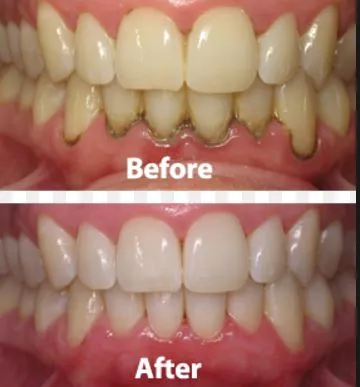
The science behind ACV’s teeth whitening properties lies in its acidic nature. The acetic acid in ACV helps to break down and dissolve certain types of stains on the teeth’s surface. These stains often result from the accumulation of chromogens, which are pigmented compounds found in various foods and beverages. By removing these compounds, ACV can help to make teeth appear whiter. However, it is important to note that the acidic nature of ACV can also pose risks to the enamel. Excessive or improper use can lead to enamel erosion, making teeth more susceptible to cavities and sensitivity.
Frequency of Apple Cider Vinegar Use
Determining the optimal frequency for using apple cider vinegar for teeth whitening is crucial to avoid potential harm to your teeth. The goal is to harness its whitening properties without compromising the health of your enamel. The appropriate frequency depends on several factors, including the concentration of the ACV, the individual’s oral health, and the application method used. Finding the right balance is key to achieving the desired results while minimizing the risks associated with its use. Regular dental check-ups and consulting with a dentist are highly recommended to monitor your oral health and adjust your ACV usage accordingly.
Recommended Frequency for Whitening
Due to the acidic nature of ACV, the general recommendation is to use it sparingly. Many experts suggest using apple cider vinegar for teeth whitening no more than once or twice a week. Some people might even find that using it less frequently, such as once every two weeks, is sufficient to achieve their desired results without risking enamel erosion. It’s important to listen to your body and observe any changes in your teeth, such as increased sensitivity. If you experience any negative effects, it’s important to discontinue use and consult with a dentist.
Daily, Weekly or Monthly ACV Usage
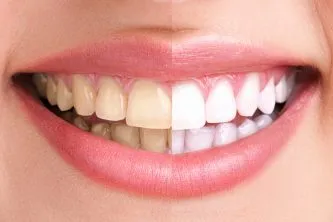
Daily use of apple cider vinegar for teeth whitening is generally not recommended. The constant exposure to acid can wear down the enamel over time, leading to increased sensitivity, cavities, and other dental problems. Weekly use, in moderation (once or twice a week), might be acceptable for some individuals, but it’s essential to dilute the ACV properly and rinse thoroughly afterward. Monthly use might be safer for those concerned about potential enamel damage. It is important to assess the condition of your teeth regularly and adjust the frequency as needed, based on your dental health and any changes you observe.
Factors Influencing ACV Usage Frequency
Several factors can influence how often you should use apple cider vinegar for teeth whitening. These include the concentration of the ACV, the sensitivity of your teeth, and the overall health of your enamel. Other factors include individual oral hygiene practices and any pre-existing dental conditions. Understanding these factors allows you to tailor your approach to teeth whitening with ACV to suit your specific needs and minimize potential risks. Always prioritize the health and integrity of your enamel when deciding how often to use ACV.
Tooth Sensitivity and ACV
If you have sensitive teeth, you should use apple cider vinegar with extreme caution or avoid it altogether. The acidity of ACV can exacerbate tooth sensitivity by further eroding the enamel and exposing the dentin, the layer beneath the enamel. If you experience increased sensitivity after using ACV, it is a clear sign that you should reduce the frequency of use or stop using it entirely. Consult with your dentist if you have sensitive teeth before attempting any teeth whitening methods, including the use of ACV. They can provide personalized advice based on your specific oral health needs.
Enamel Erosion Risks

Enamel erosion is a significant risk associated with frequent or improper use of apple cider vinegar for teeth whitening. Enamel is the hardest substance in the human body, but it can be damaged by acids. Over time, the acetic acid in ACV can wear away the enamel, making your teeth more susceptible to cavities, sensitivity, and discoloration. Once enamel is eroded, it cannot be naturally restored. Therefore, protecting your enamel is essential. Using ACV sparingly, diluting it properly, and rinsing thoroughly after each use are crucial steps in minimizing the risk of enamel erosion.
ACV Concentration and Whitening
The concentration of apple cider vinegar can impact both its effectiveness and its potential risks. Using undiluted ACV on your teeth is highly discouraged, as the high concentration of acetic acid can quickly damage your enamel. It is essential to dilute ACV with water before use. The recommended dilution ratio is typically one part ACV to several parts water. Using a higher concentration might seem like it will whiten teeth more quickly, but it significantly increases the risk of enamel erosion. Always use a diluted solution and follow proper application techniques to minimize potential harm.
Proper Application of Apple Cider Vinegar
Proper application of apple cider vinegar is as important as the frequency of use when it comes to teeth whitening. Using the right techniques can help maximize the benefits while minimizing the risks to your enamel. Always dilute the ACV and apply it carefully, following specific guidelines to ensure its safe and effective use. Consistent and cautious application is essential to protecting your teeth while trying to achieve a brighter smile. Careful attention to detail will help you get the best results possible.
Dilution Methods for ACV

Dilution is a crucial step in preparing apple cider vinegar for teeth whitening. Using undiluted ACV can be highly damaging to your enamel. The most common dilution method is to mix one part apple cider vinegar with several parts of water. A ratio of 11 is often recommended. It is essential to use a clean cup or container for mixing and to ensure the solution is thoroughly mixed. Never use ACV straight from the bottle. Proper dilution is critical to minimize the potential for enamel erosion and tooth sensitivity.
Application Techniques
There are several application techniques for using diluted apple cider vinegar on your teeth. One method involves dipping a cotton swab into the diluted solution and gently applying it to the teeth. Another approach is to swish the diluted ACV in your mouth for a short period, typically 30-60 seconds, and then rinse thoroughly with water. Avoid prolonged contact of the ACV solution with your teeth, as this increases the risk of enamel damage. Always rinse your mouth with plain water after each use to remove any remaining acid and protect your teeth.
Oral Hygiene Routine and ACV Use
Incorporating apple cider vinegar into your oral hygiene routine requires careful consideration of your existing practices. The order and timing of ACV use in relation to brushing, flossing, and mouthwash can significantly impact its effectiveness and potential risks. It is essential to maintain a balanced approach to oral hygiene, focusing on both the whitening benefits of ACV and the overall health of your teeth. Consider the recommendations of your dentist and adhere to a consistent oral care regimen that includes regular brushing and flossing to maintain optimal oral health.
Brushing and Flossing Before ACV

It’s generally recommended to brush and floss your teeth before using apple cider vinegar. Brushing removes surface debris and food particles, which can help the ACV solution to reach the teeth’s surface more effectively. Flossing before ACV helps to remove plaque and food particles from between your teeth. After brushing and flossing, rinse your mouth with water before applying the diluted ACV. This prepares your teeth for the whitening process and enhances the overall effectiveness of the ACV. Brushing and flossing are essential components of any oral hygiene routine, even if you are using ACV.
Mouthwash and ACV Use
Using mouthwash after apple cider vinegar is a good practice, but it is important to choose the right type of mouthwash and use it at the appropriate time. Avoid using mouthwash immediately after applying ACV, as it could potentially exacerbate enamel erosion. It’s best to rinse your mouth with plain water first to remove any remaining ACV. Then, wait for at least 30 minutes to use mouthwash. Choose a mouthwash that is alcohol-free, and contains fluoride, as fluoride can help strengthen your enamel. Using mouthwash as part of your routine can help maintain fresh breath and further protect your teeth from decay and damage.
Benefits and Risks of Apple Cider Vinegar for Teeth Whitening
Understanding the potential benefits and risks of using apple cider vinegar for teeth whitening is crucial for making informed decisions about your oral care. While ACV might offer some whitening effects, it is important to be aware of the associated risks and take the necessary precautions to protect your teeth. Weighing the pros and cons is essential to ensure that your oral health is maintained, and that you achieve your desired results without any negative consequences. Consulting with a dental professional can help you make informed decisions about the best approach to teeth whitening for your individual needs.
Potential Benefits

Some users report that apple cider vinegar helps to remove surface stains and can contribute to a brighter smile. ACV’s mild abrasive properties may help to gently scrub away stains caused by coffee, tea, and other foods and beverages. It can also help reduce bacteria in the mouth. Many people find that ACV provides a noticeable difference in tooth appearance, leading to increased confidence in their smiles. However, it’s essential to remember that the effects of ACV on teeth whitening are often subtle and the benefits may not be significant or long-lasting for all individuals. Consistent use of ACV over time is not recommended, as this can cause enamel damage.
Potential Risks
The potential risks of using apple cider vinegar for teeth whitening are considerable and include enamel erosion, tooth sensitivity, and increased risk of cavities. The acidic nature of ACV can gradually wear away the enamel, exposing the dentin and making teeth more vulnerable to decay. Increased sensitivity can also occur, as the enamel becomes thinner. Prolonged exposure to ACV can make teeth more prone to cavities because the enamel’s protective barrier is weakened. These risks highlight the importance of using ACV sparingly, diluting it properly, and consulting with a dentist to monitor your oral health and prevent any adverse effects. It’s also crucial to be aware that ACV may not be suitable for everyone, especially those with existing dental issues.
Consulting a Dentist
Consulting a dentist is a crucial step before using apple cider vinegar or any other home remedies for teeth whitening. A dentist can assess your oral health, identify any existing issues, and provide personalized recommendations based on your needs. They can also advise you on the potential risks associated with ACV and other methods. Dentists can provide professional teeth whitening treatments that are safe and effective, minimizing the risks of enamel damage and sensitivity. Regular dental check-ups allow your dentist to monitor your teeth and gums, providing preventative care and addressing any concerns early. Always prioritize the advice of a dental professional.