The Link Between Gum Irritation and Teeth Whitening
Teeth whitening is a popular cosmetic procedure, promising a brighter, more confident smile. However, it’s crucial to understand that this process can sometimes lead to gum irritation. The chemicals used in teeth whitening, while effective at removing stains, can also affect the delicate tissues of your gums. Understanding the connection between teeth whitening and gum irritation is the first step toward a safer and more comfortable whitening experience. Many individuals experience some level of gum sensitivity or inflammation during or after the whitening process, which is typically temporary and manageable with proper care and precautions. Awareness of the potential risks and proactive measures can help minimize discomfort and ensure a positive outcome. It’s vital to be informed about the causes, symptoms, and preventive strategies to maintain both the aesthetic appeal of your teeth and the health of your gums.
What Causes Gum Irritation After Teeth Whitening?
Several factors can contribute to gum irritation following teeth whitening. The primary culprits include the whitening agents themselves and the application methods used. Sensitivity varies from person to person, depending on individual factors such as the health of the gums and teeth and the concentration of the whitening product.
Chemical Irritation

The active ingredient in most teeth whitening products is hydrogen peroxide or carbamide peroxide. These chemicals work by breaking down stain molecules, but they can also irritate the soft tissues of the gums. When these agents come into direct contact with the gums, they can cause inflammation, redness, and sometimes blistering. The higher the concentration of the peroxide, the greater the potential for irritation. This is why professional in-office whitening, which often uses stronger concentrations, may cause more immediate or severe gum irritation compared to at-home methods. Protecting the gums during the whitening process is therefore essential to minimize chemical exposure and reduce the risk of adverse effects.
Physical Irritation
Physical irritation can also occur during teeth whitening. This can be caused by poorly fitted trays used in at-home whitening kits, which may rub against the gums and cause abrasion. In in-office whitening, the tools used to isolate the teeth and protect the gums can sometimes cause minor trauma. The constant contact with the whitening agent, even if not directly, can lead to physical stress on the gum tissues. Proper technique and the use of protective barriers are crucial to prevent and minimize physical irritation. Taking precautions is an essential aspect of ensuring a comfortable whitening experience and preserving the health of your gums.
Allergic Reactions
Although less common, allergic reactions to ingredients in teeth whitening products can also trigger gum irritation. Some individuals may be sensitive to the peroxide itself or other additives in the whitening gel. Symptoms of an allergic reaction can range from mild redness and swelling to more severe responses. If you suspect an allergic reaction, it’s important to stop using the product immediately and consult a dentist. Being aware of potential allergens in teeth whitening products can help you make informed choices and avoid unnecessary discomfort. Always read product labels and discuss any concerns about potential allergic reactions with your dentist prior to the procedure.
Top 7 Facts About Gum Irritation from Teeth Whitening

Fact 1 Understanding the Sensitivity of Gum Tissue
Gum tissues are incredibly delicate and sensitive. They are designed to protect the underlying bone and teeth, but this also means they are vulnerable to irritants. Whitening agents can easily penetrate the gum tissue, leading to inflammation. Sensitivity varies among individuals, influenced by factors like oral hygiene, gum health, and the presence of any existing conditions. Understanding this sensitivity is the foundation for appreciating why gum irritation occurs during teeth whitening and how it can be managed. Proper care involves shielding the gums during the whitening procedure and using products that minimize irritation.
Fact 2 The Role of Whitening Agents
The primary agents in teeth whitening, hydrogen peroxide and carbamide peroxide, are effective stain removers but also potential irritants. These chemicals oxidize the stains on your teeth, but they can also irritate your gums through direct contact or diffusion. The concentration of the whitening agent plays a significant role; higher concentrations tend to cause more irritation. Understanding the role of whitening agents helps you choose the most appropriate whitening method for your needs and manage potential side effects. Consulting with a dentist will help you select a treatment plan that balances effectiveness with safety, minimizing the risk of gum irritation.
Fact 3 Common Whitening Methods and Their Impact
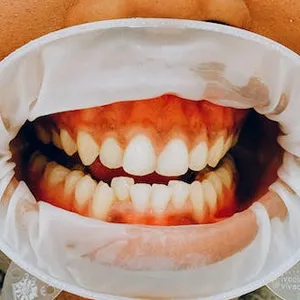
Different teeth whitening methods carry varying risks of gum irritation. Knowing the potential impacts of these methods is crucial in managing your oral health and achieving a brighter smile. Here are some common whitening methods and their specific effects.
In-Office Whitening
In-office whitening typically uses high-concentration peroxide gels and can lead to significant gum irritation. Dentists use protective measures like rubber dams to shield the gums. While it offers quick results, the intensity can lead to temporary sensitivity and inflammation.
At-Home Whitening Kits
At-home kits, including custom trays, use lower concentrations and may reduce the risk of severe gum irritation. Poorly fitted trays can cause irritation through prolonged contact with the gums. Following instructions is important, and any discomfort should be addressed promptly.
Whitening Toothpastes

Whitening toothpastes contain mild abrasives or low-concentration peroxide, posing a lower risk of gum irritation than other methods. However, overusing these toothpastes or brushing too aggressively can still lead to gum issues. Choosing a toothpaste designed for sensitive gums will make your whitening journey a lot safer.
Fact 4 Recognizing the Symptoms of Gum Irritation
Identifying the symptoms of gum irritation is essential for timely intervention. Common signs include redness, swelling, tenderness, and sometimes blistering along the gum line. You might also experience increased sensitivity to hot or cold foods and beverages. Recognizing these symptoms early allows you to adjust your whitening routine, seek advice from your dentist, and prevent the condition from worsening. Observing your gums closely during and after the whitening process can help you manage any irritation that arises. Prompt attention to these signals ensures the health of your gums and a comfortable whitening experience.
Fact 5 Preventive Measures Before Whitening
Preventing gum irritation starts before you even begin the whitening process. Before undergoing any teeth whitening treatment, a dental check-up is essential to address any existing oral health issues, like cavities and gingivitis. If you have sensitive gums, inform your dentist. They can recommend the most appropriate whitening method or pre-treatment options, such as desensitizing toothpastes. During the consultation, your dentist can also assess your overall oral health and determine whether whitening is suitable for you. Pre-whitening checkups can minimize the risk of complications and ensure a successful and comfortable experience.
Fact 6 Managing Gum Irritation During Whitening

If you experience gum irritation during teeth whitening, several strategies can help manage the discomfort. Reduce the frequency of your whitening sessions or lower the concentration of the whitening agent, if using an at-home kit. Rinse your mouth thoroughly with water after each whitening session to remove any residual gel. Apply a desensitizing toothpaste to the affected areas. Avoid abrasive toothpastes and harsh mouthwashes, and use a soft-bristled toothbrush to avoid further irritation. If the irritation persists, consult your dentist. Following these steps can help minimize discomfort and promote healing, allowing you to continue your whitening journey with less sensitivity.
Fact 7 Post-Whitening Care for Your Gums
After teeth whitening, proper care is crucial to support your gums and maintain oral health. Continue using a soft-bristled toothbrush and mild toothpaste. Avoid foods and drinks that can stain your teeth, like coffee, tea, and red wine, to prevent staining. Practice consistent oral hygiene, including regular brushing and flossing. Schedule regular dental check-ups to monitor the health of your gums and teeth. Post-whitening care is vital for maintaining your bright smile and ensuring the long-term health of your gums. Adhering to these recommendations will help you maximize the benefits of your whitening treatment.
How to Prevent Gum Irritation from Teeth Whitening
Taking proactive steps can significantly reduce the risk of gum irritation from teeth whitening. The right method and technique, combined with the professional support of a dentist, can ensure the procedure is both effective and comfortable.
Choosing the Right Whitening Method

Selecting the most suitable whitening method is a crucial first step in preventing gum irritation. If you have sensitive gums, at-home kits with lower concentrations of peroxide may be a better option. Always consult with your dentist. They can evaluate your oral health, recommend the most appropriate method, and offer guidance on how to minimize potential risks. For instance, if in-office whitening is chosen, the dentist can use protective measures like rubber dams to shield your gums. Proper selection of the whitening method tailored to your needs is essential in avoiding any irritation.
Consulting with a Dentist
Before starting any teeth whitening treatment, a dental consultation is highly recommended. Your dentist can assess your oral health and identify any existing issues, such as cavities or gum disease, that could worsen during the whitening process. They can also evaluate your tooth sensitivity and determine the most appropriate whitening method and strength for you. The dentist will also provide you with detailed instructions on how to use the whitening products correctly and how to minimize the risk of gum irritation. By getting a professional opinion, you can ensure that teeth whitening is a safe and effective option for you, reducing the chances of any adverse effects. Your dentist can also answer any questions and address your concerns.
Proper Application Techniques
Proper application techniques are crucial in preventing gum irritation. If you are using at-home whitening kits, follow the instructions carefully to avoid overfilling the trays or allowing the gel to come into contact with your gums. Ensure that the trays fit your teeth properly, as poorly fitted trays can cause irritation and discomfort. In-office treatments, the dentist isolates the teeth and protects the gums with barriers like rubber dams. Whether whitening at home or in a dental office, adhering to correct application techniques is essential to minimize exposure of the gums to the whitening agent. Consistent and accurate application will help to achieve the best results with minimal side effects.
Aftercare and Maintenance for Healthy Gums

Post-whitening care is essential for maintaining your bright smile and ensuring the long-term health of your gums. This involves consistent oral hygiene practices and regular dental check-ups. By adopting these strategies, you can enjoy the benefits of teeth whitening while preserving the health and integrity of your gums.
The Importance of Oral Hygiene
Maintaining good oral hygiene is critical for preventing gum irritation and ensuring your gums stay healthy after teeth whitening. Brush your teeth gently with a soft-bristled toothbrush, avoiding harsh scrubbing that can irritate the gums. Use a fluoride toothpaste to strengthen enamel and protect against sensitivity. Floss daily to remove plaque and food particles from between your teeth and along the gumline. Consider using an antibacterial mouthwash to further reduce bacteria. By prioritizing oral hygiene, you not only support the health of your gums but also help to maintain the results of your teeth whitening treatment and prevent future staining.
Regular Dental Check-ups
Scheduling regular dental check-ups and cleanings is a vital component of maintaining oral health, particularly after teeth whitening. Your dentist can monitor the condition of your gums, detect any signs of irritation or inflammation early on, and address any underlying issues promptly. During your check-up, your dentist can also provide professional cleanings to remove plaque and tartar. These appointments allow you to stay informed about your oral health, take proactive measures, and prevent any potential problems. Regular dental visits are essential to sustain a healthy and bright smile long after your teeth whitening treatment.