What is Skin Whitening?
Skin whitening, also known as skin lightening or skin bleaching, is a cosmetic procedure aimed at reducing the melanin pigment in the skin to make it appear lighter. This is often pursued to address hyperpigmentation issues like dark spots, acne scars, uneven skin tone, or to achieve a generally lighter complexion. While various methods exist, including topical creams, chemical peels, and laser treatments, the approach of skin whitening through diet focuses on consuming specific foods believed to possess properties that can naturally influence skin tone. This method is a holistic approach, focusing on improving skin health from within, which can be a safer and more sustainable way to enhance skin appearance. It’s essential to approach this topic with an understanding that natural methods offer gradual changes, and results vary based on individual skin types, health conditions, and consistent dietary habits. It’s always advisable to consult with a dermatologist or healthcare professional for personalized advice.
How Do Foods Affect Skin Tone?
The foods we consume play a significant role in the health and appearance of our skin, including its tone. Certain nutrients and antioxidants found in various foods can influence melanin production, the pigment responsible for skin color. Antioxidants, in particular, combat free radicals that can cause skin damage and hyperpigmentation. Vitamin C, abundant in many fruits and vegetables, is a key player; it inhibits tyrosinase, an enzyme crucial for melanin synthesis. Similarly, foods rich in omega-3 fatty acids, found in nuts, seeds, and certain fish, can reduce inflammation, promoting a clearer and more even skin tone. Furthermore, proper hydration, which is supported by consuming water-rich foods, helps in flushing out toxins and maintaining skin elasticity. By incorporating specific foods into your diet, you can naturally support skin health, potentially leading to a brighter and more radiant complexion. This holistic approach is about nourishing the skin from the inside out, ensuring it receives the necessary elements to function optimally and maintain a healthy, even tone. This does not mean these foods will drastically change your natural skin tone, but it can help with achieving the best skin possible.
Foods for Skin Whitening Top Picks

Selecting the right foods can be a delicious path to support skin health and potentially enhance your skin’s natural brightness. The following list highlights some of the top picks known for their beneficial properties. These foods are rich in vitamins, antioxidants, and other nutrients that contribute to reducing hyperpigmentation and promoting a more even skin tone. Consistency is key; incorporating these items into your daily diet alongside other healthy habits, such as adequate hydration and sun protection, can amplify the positive effects. Remember, a balanced approach combining these nutritional choices with appropriate skincare routines is crucial for achieving the desired results. Embrace this opportunity to nourish your skin from the inside out, and enjoy the process of enhancing your natural beauty through the power of food.
Citrus Fruits
Citrus fruits such as oranges, lemons, grapefruits, and limes are powerhouse sources of Vitamin C, a potent antioxidant. Vitamin C not only helps in brightening the skin by inhibiting melanin production but also aids in collagen synthesis, which is essential for maintaining skin elasticity and firmness. Regularly consuming these fruits can help reduce dark spots and give your skin a healthy glow. Incorporating citrus into your diet is relatively easy; you can enjoy them as snacks, add them to salads, or use their juice in your morning routine. Remember, while these fruits offer significant benefits, they are best consumed as part of a balanced diet, and their impact is amplified when combined with other skin-friendly foods and habits. Always listen to your body and consult a healthcare professional if you have any concerns or allergies.
Berries
Berries, including blueberries, strawberries, raspberries, and cranberries, are packed with antioxidants like anthocyanins, which fight free radicals and protect the skin from damage. These antioxidants help in reducing inflammation and can assist in minimizing the appearance of dark spots and uneven skin tone. Furthermore, berries contain vitamins and minerals that support overall skin health and collagen production. Enjoying a handful of berries as part of your breakfast, mixing them into smoothies, or adding them to your salads is a delicious and effective way to boost your intake of skin-enhancing nutrients. Remember, the benefits of berries are best realized when consumed as part of a balanced diet, alongside a comprehensive skincare routine and other healthy lifestyle choices.
Nuts and Seeds

Nuts and seeds, such as almonds, walnuts, flaxseeds, and chia seeds, are excellent sources of omega-3 fatty acids, vitamin E, and other essential nutrients that are crucial for skin health. Omega-3 fatty acids help reduce inflammation, which can prevent skin damage and promote a clearer complexion. Vitamin E is a powerful antioxidant that protects the skin from free radicals and aids in maintaining its moisture balance. Nuts and seeds also contribute to overall skin elasticity and can help in reducing the appearance of blemishes. Incorporating a handful of these into your daily diet – as snacks, in salads, or added to yogurt – is an easy way to support skin health from within. Remember, moderation is key, and it’s always beneficial to choose unsalted and unprocessed options to maximize their skin-friendly benefits.
Green Leafy Vegetables
Green leafy vegetables like spinach, kale, and lettuce are rich in vitamins, minerals, and antioxidants that are essential for skin health. They provide vitamins A, C, and K, which are crucial for skin repair, collagen production, and reducing inflammation. These vegetables also offer antioxidants that protect the skin from damage caused by free radicals and environmental stressors. Consuming these greens regularly can help improve your skin’s texture, reduce blemishes, and promote a more even skin tone. Adding them to your salads, smoothies, or as a side dish with your meals is a simple and effective way to boost your intake of skin-enhancing nutrients. Making green leafy vegetables a regular part of your diet can significantly contribute to achieving healthier and more radiant skin.
Tomatoes
Tomatoes are a remarkable source of lycopene, a potent antioxidant that offers significant benefits for skin health. Lycopene helps protect the skin from sun damage and can reduce the risk of sunburn. They are also rich in Vitamin C, which is essential for collagen production and skin brightening. Regularly consuming tomatoes, whether raw in salads, cooked in sauces, or juiced, can contribute to a more even skin tone and a healthier complexion. Adding tomatoes to your daily diet is a simple yet effective way to harness their skin-enhancing properties, especially when combined with other protective measures such as sun protection. Enjoying tomatoes as part of your balanced diet can lead to visible improvements in your skin’s overall appearance.
Watermelon

Watermelon is not just a refreshing treat, but also a beneficial food for skin health. It is rich in vitamins A and C, which are essential for skin repair, collagen production, and protecting against oxidative stress. Watermelon also contains a high water content, which helps in hydrating the skin from within, contributing to its elasticity and a more radiant appearance. Including watermelon in your diet is easy; enjoy it as a snack, add it to fruit salads, or blend it into a refreshing juice. The antioxidants and vitamins in watermelon can help reduce the appearance of dark spots and uneven skin tone, supporting a brighter and healthier complexion. Combining this with a balanced diet can maximize skin benefits.
Foods to Avoid for Skin Whitening
While certain foods can actively support skin whitening, others can hinder your efforts or even exacerbate skin issues. Limiting or avoiding these can help you maintain a clearer and more even skin tone. Focusing on a balanced diet, and being mindful of what you eat can significantly enhance your skin’s appearance. It’s important to understand that these foods are not inherently ‘bad,’ but their high consumption can undermine the positive effects of skin-friendly foods. By making informed choices about your diet, you can better support your skin health goals.
Dairy Products
Dairy products can sometimes trigger inflammation and hormonal imbalances in some individuals, potentially leading to acne and other skin issues that can affect skin tone. Dairy contains hormones and compounds that can increase oil production, which, in turn, can clog pores and worsen acne. If you notice that dairy products correlate with skin problems, consider reducing your intake or exploring alternatives like plant-based milk. Pay attention to how your body reacts and consult with a healthcare professional if you have concerns. Moderation is a key strategy when it comes to the consumption of dairy, and being aware of your body’s response is crucial for maintaining healthy skin.
Processed Foods

Processed foods often contain high levels of sugar, unhealthy fats, and preservatives, which can contribute to inflammation and oxidative stress. These factors can lead to skin damage, premature aging, and uneven skin tone. Foods with high glycemic index (GI) can also spike blood sugar levels, potentially exacerbating acne and other skin conditions. Reducing your intake of processed foods and opting for fresh, whole foods can help improve skin health. Preparing meals at home, choosing whole grains, and avoiding excessive amounts of sodium and artificial additives are important steps to support a clearer, healthier complexion. Focus on nourishing your body with unprocessed, nutrient-rich foods to optimize skin health.
Sugary Drinks
Sugary drinks, including sodas, fruit juices with added sugars, and sweetened beverages, can contribute to skin issues. High sugar intake can lead to inflammation, accelerate the aging process, and exacerbate acne. Excess sugar can also damage collagen and elastin, leading to wrinkles and a loss of skin elasticity. Opting for water, herbal teas, or unsweetened beverages is a better choice for skin health. Being mindful of the sugar content in your drinks and making healthier choices is a significant step towards achieving a brighter and more radiant complexion. Limiting sugary drinks and focusing on hydration is key to supporting your skin’s overall health and appearance.
Lifestyle Choices for Skin Whitening
Beyond dietary choices, certain lifestyle habits can significantly impact skin health and play a vital role in skin whitening efforts. These habits work synergistically with a healthy diet to maximize results and maintain a radiant complexion. Adopting these practices can enhance the effectiveness of your dietary choices and provide a more holistic approach to skin care. It is important to remember that consistency and patience are key, as it takes time for lifestyle changes to reflect on skin appearance. Embracing these lifestyle choices will not only benefit your skin but also contribute to your overall well-being, resulting in a healthier and more vibrant you.
Hydration

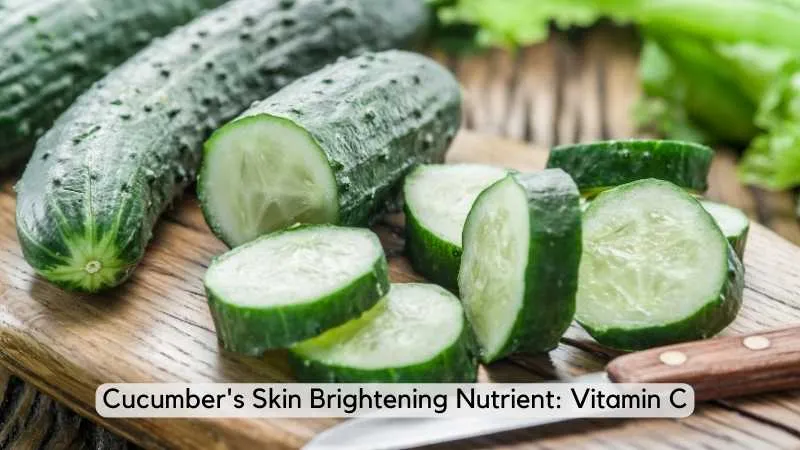
Adequate hydration is essential for maintaining skin health and promoting a brighter complexion. Drinking sufficient water helps in flushing out toxins, keeping the skin hydrated, and improving its elasticity. Dehydration can lead to dry, dull skin and can exacerbate the appearance of fine lines and wrinkles. Aim to drink at least eight glasses of water a day and consider incorporating hydrating foods like watermelon and cucumbers into your diet. Proper hydration supports overall skin function and enhances the effects of skin-whitening foods. Making water your primary beverage is a simple yet effective way to support a healthy and radiant skin.
Sun Protection
Protecting your skin from the sun is crucial for preventing hyperpigmentation, premature aging, and skin damage. Sun exposure stimulates melanin production, which can lead to dark spots and an uneven skin tone. Always use sunscreen with an SPF of 30 or higher, wear protective clothing, and seek shade during peak sun hours. Applying sunscreen daily, even on cloudy days, is an essential part of any skincare routine focused on skin whitening. Combining sun protection with a healthy diet can significantly enhance your skin’s appearance and protect it from long-term damage. Making sun protection a regular habit is one of the best things you can do for your skin health.
Regular Exfoliation
Regular exfoliation helps remove dead skin cells, which can contribute to a dull complexion and uneven skin tone. Exfoliating helps reveal the fresher, brighter skin underneath, allowing for better absorption of skin-whitening products and nutrients from your diet. Choose a gentle exfoliator suitable for your skin type and exfoliate one to two times a week. Avoid over-exfoliation, which can irritate your skin. Exfoliation helps to keep your skin clear and smooth, enhancing the benefits of your diet and skincare routine. Combining exfoliation with a healthy diet and sun protection creates a comprehensive approach to achieving a brighter, more radiant complexion.