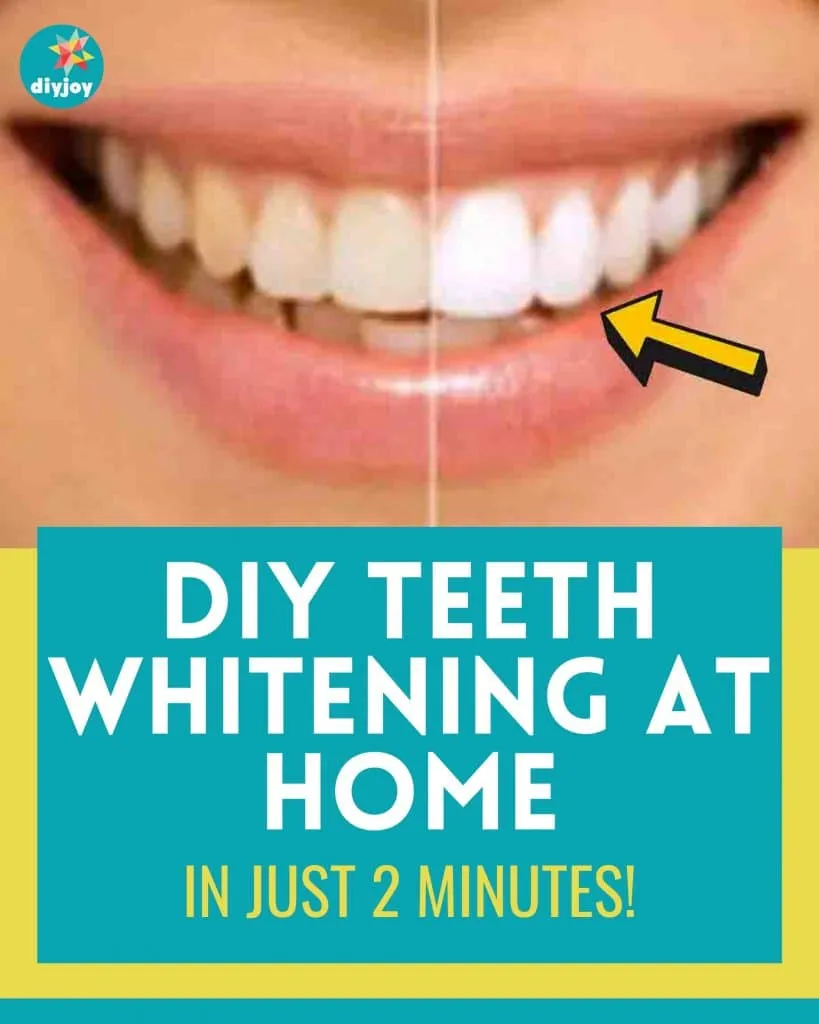
Understanding DIY Teeth Whitening
Embarking on a journey to a brighter smile often leads us to explore DIY teeth whitening methods. The allure of achieving a dazzling grin from the comfort of your home is undeniable. DIY teeth whitening offers a cost-effective alternative to professional treatments, allowing you to experiment with various ingredients and techniques. However, it is essential to approach these methods with caution and a clear understanding of the science behind them. This guide will delve into the realm of DIY teeth whitening, focusing on hydrogen peroxide as a primary agent, while providing insights into safe and effective practices. We will explore how these DIY methods can help you achieve a more radiant smile, from peroxide-based treatments to natural remedies like baking soda and coconut oil, helping you make informed decisions about your oral care.
The Science Behind Peroxide Whitening
Hydrogen peroxide, a common component in DIY teeth whitening, works by breaking down stains and discoloration on the enamel surface. When hydrogen peroxide comes into contact with your teeth, it releases oxygen molecules that penetrate the enamel, reacting with the stain molecules and breaking them down. This process effectively lightens the color of your teeth. The effectiveness of this process depends on several factors, including the concentration of the hydrogen peroxide, the duration of application, and the type of stains present. While effective, it is important to note that hydrogen peroxide can also cause some sensitivity if not used cautiously. Understanding this science is important to ensure the best possible outcome, while minimizing any potential negative side effects. Consulting with a dentist before starting any DIY teeth whitening routine will always be a great approach.
Hydrogen Peroxide Whitening Methods

Hydrogen peroxide can be used in a variety of methods. One common approach involves diluting food-grade hydrogen peroxide with water to reduce the concentration and the potential for irritation. You can then use this solution to rinse your mouth for about a minute. The goal is to swish the diluted hydrogen peroxide solution thoroughly around your teeth, ensuring it contacts all surfaces. Another method involves using hydrogen peroxide as a component in a homemade toothpaste or paste. When using hydrogen peroxide for DIY teeth whitening, it’s crucial to use a concentration of 3% food-grade hydrogen peroxide. Concentrations higher than this can be too harsh on tooth enamel and gums, increasing the risk of sensitivity and damage. Always be vigilant in your approach to protect the health of your teeth.
Using Peroxide with Baking Soda
The combination of hydrogen peroxide and baking soda is a popular DIY teeth whitening method, as baking soda acts as a mild abrasive that helps to scrub away surface stains. To create this mixture, mix hydrogen peroxide with baking soda to form a paste. The ratio can vary depending on your preference. Apply the paste to your teeth using a soft-bristled toothbrush, and gently brush your teeth for about two minutes. This combination enhances the stain-removing capabilities, contributing to a brighter smile. It’s important to note that while this combination can effectively remove surface stains, it should be used sparingly. Overuse of baking soda can wear down the enamel, leading to tooth sensitivity and other dental problems. For those with sensitive teeth, or for anyone who is unsure, it’s best to consult with a dental professional for advice.
Peroxide and Coconut Oil for Whitening
Coconut oil, known for its antibacterial properties, can be combined with hydrogen peroxide for teeth whitening. This method incorporates oil pulling, which involves swishing the oil around your mouth to remove bacteria and toxins. In this DIY approach, you can mix a small amount of coconut oil with a few drops of hydrogen peroxide. Swish this mixture in your mouth for about 10 to 15 minutes daily. This not only whitens your teeth but also promotes overall oral health. The combination of coconut oil and hydrogen peroxide offers a natural approach to teeth whitening. Coconut oil aids in removing plaque and bacteria, which can contribute to staining, while the hydrogen peroxide helps to lighten the tooth enamel. While many people swear by this method, consistency is key, and results may vary depending on the individual. Remember to consult with your dentist.
DIY Teeth Whitening Application Tips

When using DIY teeth whitening methods, following specific application tips can ensure safe and effective results. Always start with a clean mouth by brushing your teeth before applying any whitening agents. This will help to remove any food particles or debris that might hinder the whitening process. Use a soft-bristled toothbrush to avoid damaging your enamel. Apply the whitening agent evenly to all tooth surfaces, ensuring all areas are covered for uniform results. Never exceed the recommended application time. Overexposure to whitening agents can lead to increased sensitivity. Rinse thoroughly with water after each treatment to remove any residual whitening agents. If sensitivity occurs, reduce the frequency of treatments or discontinue use. If sensitivity persists, consult your dentist. Regularly monitor your teeth for any signs of irritation or damage. Taking these steps helps to ensure that you achieve the desired results while protecting your oral health.
Whitening Tray Method
The whitening tray method is another approach to DIY teeth whitening. This method can be customized to your needs. First, you can purchase a pre-made or custom-made mouth tray. These trays fit over your teeth and can be used to hold the whitening solution. Apply a small amount of the hydrogen peroxide solution into the tray, ensuring it covers the surfaces of your teeth. Place the tray in your mouth, and keep it in place for the recommended time, usually 15 to 30 minutes, depending on the strength of the solution. This method ensures that the whitening agent is in close contact with your teeth for a prolonged period. For those considering this method, it’s important to consider the potential for sensitivity and to follow the instructions carefully. If any discomfort occurs, remove the tray immediately and rinse your mouth with water.
Maintaining Your Sparkling Smile
Once you have achieved your desired level of whiteness, maintaining your sparkling smile involves some key steps. Regular oral hygiene practices are essential to preserve the results of your whitening efforts. This includes brushing your teeth at least twice a day for two minutes each time, using a fluoride toothpaste. Flossing daily helps to remove plaque and food particles from between your teeth, preventing stains. Regular dental check-ups and cleanings are crucial for maintaining overall oral health and addressing any potential issues. In addition to these hygiene practices, you should limit your consumption of stain-causing foods and beverages, such as coffee, tea, red wine, and dark-colored berries. Consider using a whitening toothpaste or mouthwash for added maintenance. By following these steps, you can keep your smile bright and healthy.
Potential Risks and Side Effects

While DIY teeth whitening methods can be effective, it’s important to be aware of the potential risks and side effects. Tooth sensitivity is one of the most common side effects, especially with higher concentrations of hydrogen peroxide. Gum irritation is another potential issue, which can manifest as redness or soreness. Overuse of whitening agents or using too high a concentration can damage tooth enamel, leading to increased sensitivity and an increased risk of cavities. Uneven whitening can occur if the whitening agent is not applied uniformly or if certain areas of the teeth are more stained than others. Always consult with a dentist before trying any DIY teeth whitening. They can evaluate the health of your teeth and gums and advise you on the best whitening approach. They can also offer professional treatments.
DIY teeth whitening with hydrogen peroxide can be a great way to get a brighter smile, but it’s important to do it safely and with knowledge. By understanding the science behind peroxide, you can pick the best method. Always make sure that you’re using the right concentration of peroxide. Consider methods like using baking soda and coconut oil. Know the best practices of applying these methods. If you do it the right way, you can maintain a sparkling smile for a long time. Be aware of any potential side effects and always talk to your dentist before starting.