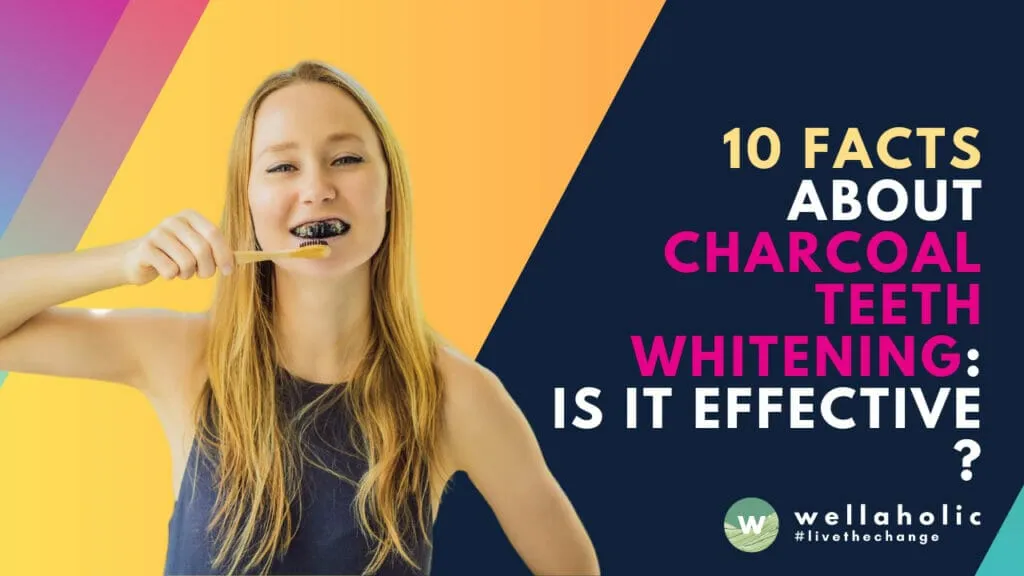
What is Charcoal Teeth Whitening?
Charcoal teeth whitening has gained significant popularity as a natural method for brightening smiles. It involves using activated charcoal, a fine black powder derived from sources like coconut shells, wood, or peat, to remove stains and impurities from teeth. The core principle behind this method is the absorbent nature of activated charcoal. Its porous structure allows it to bind with stain molecules, effectively lifting them from the surface of the teeth. This process is typically done at home, making it a convenient and accessible option for those seeking a whiter smile. However, it is important to note that while charcoal teeth whitening can be effective for some, it is not a one-size-fits-all solution and might not deliver the same results for everyone, or even be a safe option for all.
How Does Charcoal Whitening Work?
The mechanism of charcoal teeth whitening is relatively straightforward. Activated charcoal, when applied to the teeth, acts like a magnet for stain-causing particles. These particles, which often come from food, drinks, and habits like smoking, adhere to the charcoal’s surface. When you brush with charcoal, the abrasive action of the charcoal helps to gently scrub away these adsorbed particles. This is in contrast to chemical whitening treatments that use bleaching agents to penetrate the enamel. The key factor is the adsorption process where the charcoal binds to the stain molecules rather than chemically altering the tooth structure. The effectiveness of charcoal is largely dependent on the type of stains present and the overall health of your teeth.
The Different Types of Charcoal for Teeth Whitening

The market offers various forms of activated charcoal for teeth whitening, each with its own application method and set of potential benefits and drawbacks. These options range from simple powders to pre-made products designed for convenience. Understanding the differences between these types can help you choose the option that best fits your needs and preferences. The most common forms include activated charcoal powder, charcoal toothpaste, and charcoal whitening strips.
Activated Charcoal Powder
Activated charcoal powder is perhaps the most basic form of charcoal whitening. It typically comes in a fine, black powder that you can apply directly to your toothbrush. The process usually involves dipping a wet toothbrush into the powder and brushing your teeth as you normally would. Many users favor this method for its simplicity and the perception of it being a natural approach. However, the powder can be messy and might require extra care during rinsing to avoid staining your sink or surrounding surfaces.
Charcoal Toothpaste
Charcoal toothpaste combines the whitening properties of activated charcoal with the cleaning power of regular toothpaste. These products often contain other ingredients commonly found in toothpaste, such as fluoride, which is essential for cavity prevention. Charcoal toothpaste provides a more familiar brushing experience, making it a convenient option for those new to charcoal whitening. The consistency and flavor are similar to traditional toothpaste, potentially increasing user compliance. However, it is crucial to check the ingredients of charcoal toothpaste, ensuring it does not contain any harsh abrasives that could damage your enamel.
Charcoal Whitening Strips

Charcoal whitening strips are a pre-dosed, convenient option that combines activated charcoal with a gel-like substance. These strips are designed to adhere to the teeth, allowing the charcoal to come into direct contact with the enamel. This method is often mess-free and easy to use, making it ideal for on-the-go whitening. The application involves placing the strips on the teeth for a specified period, after which they are removed and the teeth are rinsed. As with other charcoal products, the efficacy can vary, and it’s essential to follow the product instructions to minimize potential risks.
Step-by-Step Guide Charcoal Teeth Whitening
Using charcoal for teeth whitening involves a few simple steps. However, following these steps carefully can help maximize effectiveness and minimize potential risks. Proper preparation, careful brushing technique, and thorough rinsing are all critical components of the process. Regularity and consistency are key, but also understanding your limits and potential side effects. It’s always best to check with your dentist if this treatment is right for you.
Preparation is Key
Before starting charcoal teeth whitening, it’s important to ensure your mouth is clean and that you have all the necessary supplies. This includes your preferred type of activated charcoal (powder, toothpaste, or strips), a toothbrush, and water. For powders, it is recommended to have a small dish or container for easy dipping. Always rinse your mouth thoroughly with water before brushing to remove any loose food particles. This preparation phase ensures that the charcoal can effectively interact with your teeth’s surface without being hindered by other debris.
Brushing with Charcoal

If you are using activated charcoal powder, wet your toothbrush and lightly dip it into the powder. Apply a small amount; a little goes a long way. Brush your teeth gently in small, circular motions for 2-3 minutes. Be sure to cover all surfaces of your teeth, ensuring that the charcoal comes into contact with all areas. If using charcoal toothpaste, apply the toothpaste to your toothbrush as you would with regular toothpaste and brush your teeth following the manufacturer’s instructions. Avoid vigorous brushing, as this could potentially damage the enamel.
Rinsing and Cleaning
After brushing, rinse your mouth thoroughly with water, ensuring that all charcoal particles are removed. Spit out the rinse water carefully, as it will be black. You may need to rinse several times to ensure all the charcoal is gone. Clean your toothbrush thoroughly to prevent charcoal from staining it. If necessary, you can brush your teeth again with regular toothpaste to remove any remaining traces of charcoal and leave your mouth feeling fresh and clean. Also wipe the sink with a cleaner in case of any spill.
The Frequency of Whitening
The frequency of using charcoal for teeth whitening depends on your individual needs and preferences. It is generally recommended to start with a few times a week to assess how your teeth react and observe the results. Excessive use can potentially lead to increased sensitivity or enamel erosion, so it’s essential to avoid overuse. Once you have achieved your desired results, you can reduce the frequency. Regular oral hygiene, including brushing with regular toothpaste, flossing, and routine dental check-ups, should be maintained to ensure long-term oral health.
Expected Results and Realistic Expectations

While charcoal teeth whitening can effectively remove surface stains, it’s important to have realistic expectations. Results can vary depending on the type and severity of stains, as well as individual tooth enamel characteristics. For some, charcoal may lead to noticeable whitening after a few weeks of consistent use, while others may see only minor changes. Charcoal is more effective at removing stains caused by coffee, tea, and tobacco products. Deep intrinsic stains, which are within the tooth structure, are less likely to be affected by charcoal. The degree of whitening also depends on the frequency of application and the specific type of charcoal product used.
Benefits of Using Charcoal for Teeth Whitening
Charcoal teeth whitening offers several advantages, making it a popular choice for those seeking a brighter smile. It is a readily accessible option, as charcoal products are available in many stores. It is often more affordable compared to professional whitening treatments. Charcoal is a natural alternative to chemical whitening agents. The purported benefits often include the removal of surface stains, leading to a perceived improvement in tooth brightness. However, these benefits can vary among individuals, and not everyone will experience the same results.
Removes Surface Stains
The primary benefit of charcoal teeth whitening is its ability to remove surface stains. Activated charcoal’s absorbent properties help it bind to stain-causing molecules, such as those from coffee, tea, and tobacco. By gently scrubbing the teeth with charcoal, these stains are removed, leading to a brighter appearance. It is a non-invasive method that doesn’t involve chemical bleaching agents, making it an attractive option for individuals seeking a more natural approach to whitening.
Cost-Effective Whitening Solution

Charcoal teeth whitening is generally a cost-effective alternative to professional teeth whitening treatments. Activated charcoal products are relatively inexpensive and readily available. The initial investment in charcoal powder or toothpaste is significantly lower than the cost of visiting a dentist for whitening. This makes it an accessible option for those on a budget who want to improve the appearance of their teeth. Over time, the costs add up but are still comparatively lower compared to other methods.
Potential Risks and Side Effects of Charcoal Whitening
Despite its popularity, charcoal teeth whitening carries potential risks and side effects that you should be aware of before starting the treatment. While charcoal is considered safe for some, it may not be suitable for everyone. Potential issues include enamel erosion, gum irritation, and a lack of significant whitening for some people. It’s important to approach charcoal whitening with caution and to consult with your dentist to determine if it is a safe and appropriate option for your oral health needs.
Enamel Erosion
One of the primary concerns with charcoal teeth whitening is enamel erosion. Activated charcoal can be abrasive, and excessive brushing can wear down the enamel over time. Enamel is the hard, protective outer layer of your teeth, and once it is damaged, it cannot be repaired. Enamel erosion increases the risk of tooth sensitivity and makes teeth more vulnerable to cavities. It’s crucial to brush gently and avoid excessive pressure to minimize this risk. Using charcoal toothpaste can also help to prevent excessive abrasion. If you experience increased sensitivity, it is best to discontinue use and consult with your dentist.
Gum Irritation

Charcoal teeth whitening can sometimes cause gum irritation. The abrasive nature of charcoal may lead to gum inflammation, especially if the gums are already sensitive or prone to irritation. Symptoms of gum irritation include redness, swelling, and bleeding. This can also increase the risk of developing gum disease. It is important to use a soft-bristled toothbrush and to brush gently, avoiding any harsh scrubbing. If you experience persistent gum irritation, you should stop using charcoal and consult with your dentist. Maintaining good oral hygiene practices and regular dental check-ups can help mitigate these risks.
Charcoal Teeth Whitening Alternatives
If charcoal teeth whitening is not the right choice for you, there are several alternative methods you can consider. These options range from professional treatments to over-the-counter products, each offering different levels of effectiveness, cost, and potential risks. It’s essential to choose a method that aligns with your oral health needs and aesthetic goals. Consulting with your dentist is always recommended to determine the most suitable option for your specific situation.
Professional Teeth Whitening
Professional teeth whitening is a highly effective option for achieving a brighter smile. This treatment is performed by a dentist and typically involves the use of high-concentration bleaching agents, such as hydrogen peroxide or carbamide peroxide. The process is closely monitored by a dental professional, which minimizes risks and ensures optimal results. Professional whitening can often produce dramatic results in a single session. However, it is also the most expensive option and may cause temporary tooth sensitivity.
Over-the-Counter Whitening Products
Several over-the-counter whitening products are available, including whitening strips, gels, and toothpastes. These products typically contain lower concentrations of bleaching agents compared to professional treatments. Whitening strips are a popular choice, as they are easy to use and can produce noticeable results over time. Whitening toothpastes work by removing surface stains and can help to maintain a brighter smile. The effectiveness of these products can vary, and it is important to follow the instructions carefully to avoid potential side effects, such as tooth sensitivity or gum irritation.
Maintaining Your White Smile
Once you have achieved your desired level of teeth whiteness, it’s important to maintain your results and prevent future staining. This involves making certain lifestyle adjustments and maintaining good oral hygiene practices. Regular dental check-ups and cleanings are also essential for maintaining a healthy and bright smile.
Dietary Considerations
Your diet can significantly impact the appearance of your teeth. Certain foods and drinks are known to cause staining. Reducing your intake of these items can help prevent discoloration. Coffee, tea, red wine, and dark-colored berries are common culprits. If you consume these items, try to do so in moderation, and consider rinsing your mouth with water immediately afterward. Using a straw when drinking beverages can also help to minimize contact with your teeth. Eating a diet rich in fruits and vegetables can contribute to overall oral health, as they promote saliva production, which naturally cleanses your mouth.
Oral Hygiene Habits
Consistent oral hygiene is crucial for maintaining a white smile. Brush your teeth at least twice a day with a fluoride toothpaste. Floss daily to remove plaque and food particles from between your teeth. Consider using a mouthwash to further clean your mouth and freshen your breath. Regular dental check-ups and professional cleanings can remove plaque and tartar buildup, which can cause staining and promote healthy gums. Proper oral hygiene not only keeps your teeth clean and bright but also reduces your risk of developing cavities and gum disease.