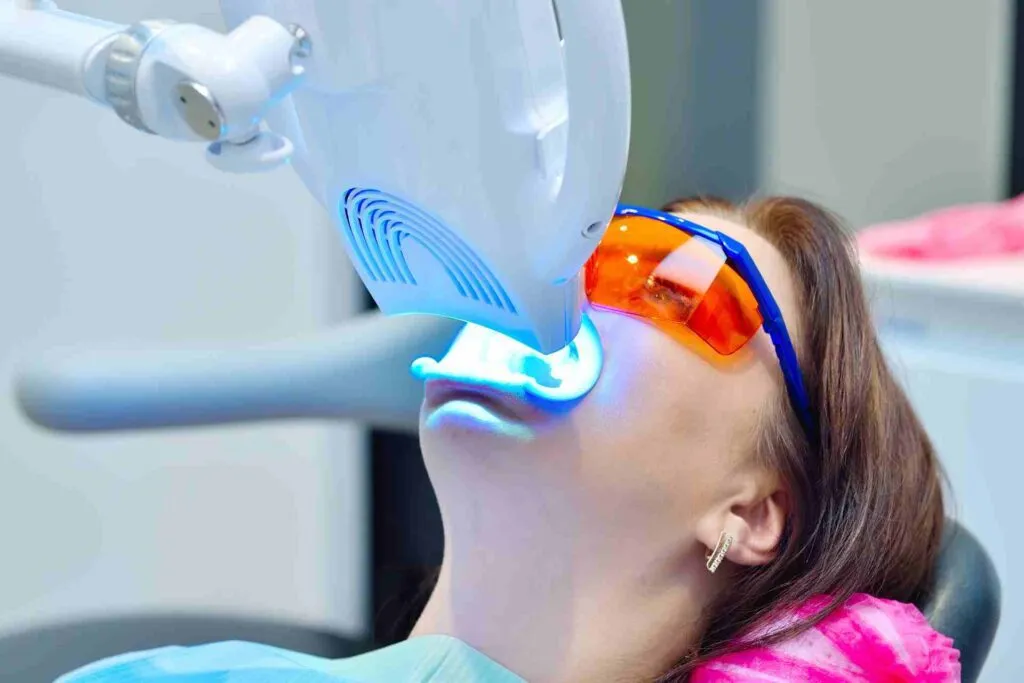
Why You Should Brush Before Whitening Gel
Achieving a brighter, whiter smile often involves the use of teeth whitening gels. However, the effectiveness of these gels hinges on the preparation of your teeth. The crucial first step is brushing your teeth. Brushing before applying whitening gel isn’t just a suggestion; it’s a fundamental practice that significantly impacts the results. This guide will illuminate the reasons behind this important step, providing you with a clear understanding of the ‘how’ and ‘why’ of this essential oral hygiene routine. This is a crucial part of maximizing your teeth whitening potential, ensuring that the whitening gel can perform at its peak. Ignoring this step can lead to diminished results and potentially compromise your oral health. So, let’s delve into the details of why brushing before whitening gel is non-negotiable for a radiant, healthy smile.
Removing Plaque and Debris for Optimal Whitening
The primary purpose of brushing before applying whitening gel is to eliminate plaque and debris from the surface of your teeth. Plaque, a sticky film of bacteria, food particles, and saliva, acts as a barrier. This barrier prevents the whitening gel from effectively contacting the enamel. When the gel cannot reach the enamel, the whitening process is significantly hindered, and the results are less pronounced. Similarly, food particles and other debris can physically block the gel’s access, preventing the active whitening ingredients from penetrating the tooth surface. Thorough brushing removes these obstructions, creating a clean canvas for the whitening gel. This ensures the active ingredients can work directly on the stains and discolorations, leading to a more effective and even whitening effect. The ultimate goal is to allow the whitening agent to fully engage with your teeth for optimal performance.
The Importance of a Clean Surface

A clean surface is vital for the efficacy of any teeth whitening product. The cleaner the tooth surface, the more direct the contact between the whitening gel and the enamel. This direct contact is essential for the active ingredients in the gel to break down the stains and discolorations embedded in your teeth. A clean surface maximizes the absorption of the whitening agents, leading to superior results. Imagine trying to paint a wall covered in dirt; the paint would not adhere properly. Similarly, if your teeth aren’t clean, the whitening gel won’t be able to do its job effectively. This underscores the significance of brushing. Brushing preps your teeth for optimal whitening. This simple step significantly improves the whitening process and ensures you get the bright, white smile you desire. Thus, brushing is the foundation for a successful teeth whitening journey.
How Brushing Enhances Whitening Gel Effectiveness
Brushing before applying whitening gel increases its effectiveness by creating the optimal environment for the active ingredients to work. Whitening gels typically contain ingredients like hydrogen peroxide or carbamide peroxide, which break down stains on the teeth. When your teeth are clean, the gel can fully engage with the tooth surface. This direct interaction allows the whitening agents to penetrate the enamel and target the staining molecules. Brushing removes the barrier of plaque and debris, enabling the whitening agents to work more efficiently. Consequently, you’ll notice faster and more consistent whitening results. The combination of a clean surface and the active ingredients creates a powerful synergy, amplifying the teeth whitening gel’s performance. Moreover, by removing surface stains, brushing can help improve the overall appearance of your teeth, even before the whitening gel is applied. Thus, brushing is not just a preliminary step, but an integral part of the whitening process.
What Happens When You Don’t Brush First
Skipping the brushing step before applying whitening gel can lead to several undesirable outcomes. First and foremost, the effectiveness of the gel is significantly reduced. The gel’s active ingredients may struggle to reach the tooth enamel, hindering their ability to break down stains. This results in less noticeable whitening and a longer treatment duration. Also, plaque and debris can trap the whitening agents, making the whitening uneven. This can lead to inconsistent results with some areas of your teeth appearing whiter than others. Moreover, applying the gel to an unclean surface can trap impurities, potentially causing sensitivity or irritation. Therefore, avoiding this essential step is a detriment to your teeth whitening journey and can lead to dissatisfaction with the results. It’s a simple step, but a crucial one in ensuring a successful and satisfying teeth whitening experience.
Potential Problems and Reduced Results

Failing to brush before using whitening gel can introduce a host of problems that ultimately undermine your whitening efforts. The most common is a reduction in whitening effectiveness. The gel may not penetrate the enamel, resulting in little to no noticeable change in your teeth’s shade. Uneven whitening is another possible issue. Some areas may lighten, while others remain stained, causing an inconsistent appearance. Furthermore, the presence of plaque and debris can increase the risk of tooth sensitivity, a common side effect of teeth whitening. The trapped substances can irritate the gums, increasing the chances of discomfort. In severe cases, applying the gel on an unclean surface may lead to inflammation. For these reasons, always prioritize brushing before whitening. This simple act ensures you’re not only optimizing the whitening results but also protecting your overall oral health.
Step-by-Step Guide to Brushing Before Whitening
Brushing before applying whitening gel is a straightforward process that yields significant benefits. Firstly, gather your supplies: a soft-bristled toothbrush and your regular toothpaste. Wet the toothbrush, then apply a pea-sized amount of toothpaste. Next, gently brush all surfaces of your teeth. Use a circular motion to clean each tooth thoroughly, taking care to reach the back teeth. The recommended brushing time is two minutes. Use a timer to ensure you brush for the optimal duration. After brushing, rinse your mouth thoroughly with water to remove any lingering toothpaste. Ensure all the toothpaste is gone from your teeth. You are now ready to apply your whitening gel. This simple routine will help you create the perfect environment for the whitening gel to work effectively.
Choosing the Right Toothbrush and Toothpaste
The choice of toothbrush and toothpaste plays an important role in maximizing the effectiveness of brushing before whitening. For your toothbrush, it’s essential to select one with soft bristles. Soft bristles are gentle on your enamel and gums, preventing any potential abrasion or damage. Medium or hard bristles can be too abrasive, especially when you are also using a whitening product. As for toothpaste, opt for one that is specifically formulated for your dental needs. While whitening toothpastes can remove surface stains and aid in brightening your teeth, they aren’t a substitute for a whitening gel. Always choose a toothpaste that contains fluoride to help strengthen your enamel and protect against cavities. The combination of a soft-bristled toothbrush and a suitable toothpaste will ensure a gentle yet effective brushing experience, preparing your teeth for the whitening gel.
Detailed Brushing Technique for Whitening

Mastering the right brushing technique is key to preparing your teeth for whitening. Begin by holding your toothbrush at a 45-degree angle to your gum line. Gently move the brush in small, circular motions, covering all surfaces of your teeth. Apply light pressure to avoid damaging your gums. Ensure you brush the outer, inner, and chewing surfaces of each tooth. Spend about 30 seconds on each quadrant of your mouth. Also, don’t forget to brush your tongue to remove bacteria and freshen your breath. Avoid vigorous scrubbing, as this can erode your enamel and irritate your gums. Pay special attention to the areas near the gum line, where plaque often accumulates. This thorough and gentle technique will remove plaque and debris, allowing the whitening gel to work optimally. Consistently using this technique will not only improve your whitening results but also promote better oral health.
Proper Application of Whitening Gel
After brushing your teeth, correct application of whitening gel is paramount. Follow the manufacturer’s instructions carefully. Most gels are applied directly to the teeth using an applicator. Apply a thin, even layer, ensuring all surfaces are covered. Avoid over-applying the gel, as excess product can irritate your gums and teeth. If you are using a tray, make sure it fits comfortably and covers all the teeth you wish to whiten. Carefully insert the tray or apply the gel to your teeth as instructed. Leave the gel in place for the recommended time. This usually ranges from 30 minutes to a few hours, depending on the product. Afterwards, remove the tray or wipe off the gel, and rinse your mouth thoroughly to remove any residual gel. This step-by-step approach ensures you maximize the whitening effect while minimizing potential side effects.
Applying Whitening Gel Correctly for Best Results
Properly applying the whitening gel is crucial for achieving the desired results. Make sure your teeth are thoroughly dry before applying the gel. This helps the gel adhere to your teeth and prevents it from being diluted by saliva. Use a thin, even layer of the gel. Too much gel can cause gum irritation and does not necessarily increase the whitening effect. Avoid getting the gel on your gums, as this can cause sensitivity. If using a tray, make sure it’s clean and dry before inserting it into your mouth. Follow the instructions for the gel’s contact time. Overexposure can be detrimental. After the recommended time, remove the tray and rinse your mouth with water. By following these guidelines, you will boost the gel’s effectiveness and achieve the most brilliant results.
Frequency and Timing of Brushing and Whitening

Consistency is crucial when it comes to oral hygiene. Brushing should be done at least twice a day, once in the morning and once at night, before applying the whitening gel. Applying the gel after your morning and evening brushings will enhance its effectiveness. The timing of your brushing and whitening routine should align with the manufacturer’s recommendations for the specific product. If your whitening gel is designed for overnight use, you will brush your teeth thoroughly before bed, apply the gel, and then sleep. For daytime use, the timing might involve a shorter application period during the day. Regularity ensures that you’re maintaining a clean surface for the whitening gel to work optimally. It will help achieve and sustain a brighter smile. Adhering to a consistent brushing and whitening schedule is not just about aesthetics; it’s about maintaining good oral health.
Best Time to Brush and Whiten
The ideal times to brush and whiten are integral to getting the best results. It’s essential to brush your teeth in the morning to remove overnight plaque and debris, setting the stage for effective whitening. After your morning brushing, applying the whitening gel will help combat any stains accumulated overnight. At night, brushing is even more important. This removes food particles and bacteria accumulated throughout the day, preparing your teeth for the whitening gel. Remember to always brush before applying the whitening gel, giving the product the best opportunity to work. Following this routine will optimize your whitening results, and promote healthier teeth and gums. A consistent routine ensures that your teeth stay clean, and the whitening treatment works to its fullest potential.
Daily Routine for a Brighter Smile
A comprehensive daily routine is essential for a brighter, healthier smile. This routine starts with brushing your teeth for two minutes, twice a day. Use a soft-bristled toothbrush and fluoride toothpaste. After brushing, floss your teeth to remove any food particles and plaque from between your teeth. Then, brush your teeth, and this is when you will then apply the whitening gel, following the product instructions carefully. Make sure to rinse your mouth thoroughly after each treatment. In addition to this, consider using an antibacterial mouthwash to reduce bacteria and further protect your teeth. This daily routine will not only enhance the results of your teeth whitening treatment but also improve your overall oral health. This structured approach supports long-term results, ensuring that your smile remains bright and your teeth remain healthy.
Additional Tips for Enhanced Whitening

Beyond the basics of brushing, there are several additional tips to enhance the effectiveness of your whitening routine. Limit your consumption of stain-causing foods and beverages, such as coffee, tea, red wine, and dark-colored berries. Use a straw to minimize contact between these beverages and your teeth. Consider incorporating a whitening toothpaste into your daily routine. These toothpastes contain mild abrasives that can remove surface stains. Stay hydrated by drinking plenty of water throughout the day. Water helps wash away food particles and bacteria and keeps your mouth moist. Schedule regular dental check-ups and cleanings with your dentist. Professional cleanings can remove stubborn stains and ensure your teeth are in optimal condition. By incorporating these extra steps, you can maximize the results of your whitening treatment and maintain a beautiful smile.
Dietary Considerations for a Whiter Smile
Your diet plays a significant role in maintaining a whiter smile. Certain foods and beverages are known to stain teeth, so it’s important to be mindful of your consumption. Coffee, tea, red wine, and dark-colored sodas can leave stains on your teeth. Consider reducing your intake of these beverages or using a straw to minimize contact with your teeth. Be wary of highly pigmented fruits and vegetables. Berries and beets, though healthy, can contribute to staining. Include teeth-whitening foods in your diet. Crunchy fruits and vegetables, such as apples and celery, can help clean your teeth naturally. Dairy products, like cheese and yogurt, contain calcium and phosphorus, which can strengthen your enamel. Maintaining a balanced diet, with a focus on tooth-friendly foods, will help maintain your whitening results and support better oral health.
Maintaining Results and Oral Health
Maintaining the results of your teeth whitening treatment requires a commitment to ongoing oral hygiene. Continue brushing your teeth twice a day and flossing daily to remove plaque and food particles. Use a whitening toothpaste to help remove surface stains. Schedule regular dental check-ups and cleanings to maintain your teeth’s health and appearance. If you consume stain-causing foods and beverages, rinse your mouth with water immediately after consumption to minimize their impact. Consider periodic touch-up treatments to maintain the brightness of your smile. Protecting your teeth from further staining is another good practice. By adopting these habits and practicing good oral hygiene, you can enjoy a brighter, whiter smile for years to come, while ensuring your overall oral health.