What is Baking Soda?
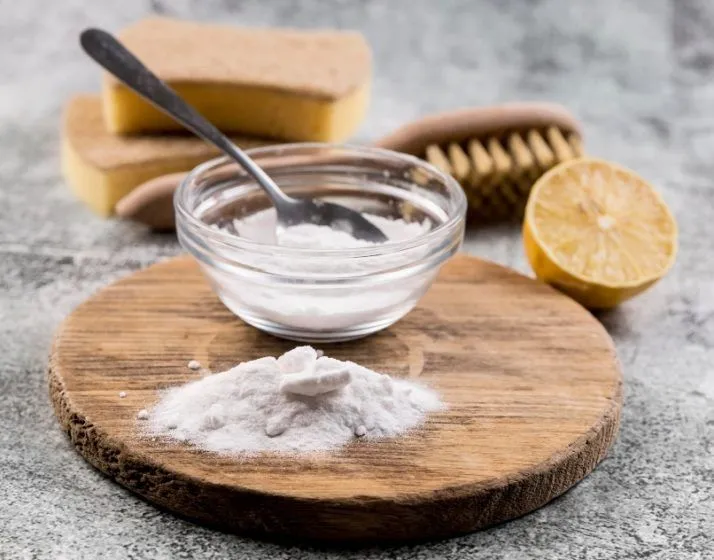
Baking soda, also known as sodium bicarbonate, is a common household item with a wide range of uses. From baking to cleaning, it’s a versatile substance. In the context of teeth whitening, it’s valued for its mild abrasive properties that help to scrub away surface stains. Its alkaline nature also plays a role in neutralizing acids, which can contribute to enamel erosion and tooth discoloration. Understanding the basics of baking soda is the first step toward using it effectively and safely for teeth whitening.
Baking Soda’s Properties and Uses
Baking soda is a white, crystalline powder that is slightly alkaline. Its mild abrasiveness makes it an effective cleaning agent. Its ability to neutralize acids and its slight abrasive action help remove stains and plaque from teeth. Beyond teeth whitening, baking soda is used in baking to help dough rise, as a deodorizer, and in various cleaning products. Its multifaceted nature makes it a staple in many homes, offering solutions for a variety of tasks, including dental care.
Why Baking Soda is Effective for Teeth Whitening

The effectiveness of baking soda in teeth whitening lies in its physical and chemical properties. The mild abrasiveness helps to gently scrub away surface stains caused by food, drinks, and smoking. Moreover, baking soda’s alkaline nature helps to neutralize the acids in the mouth, which can erode enamel and contribute to discoloration. While it is not a bleaching agent, baking soda can effectively remove surface stains, making teeth appear brighter. Regular use can contribute to a noticeable improvement in the appearance of your teeth, though results vary from person to person.
Understanding Tooth Discoloration
Tooth discoloration can occur due to various factors, affecting the appearance of your smile. There are two main types of tooth discoloration intrinsic and extrinsic. Extrinsic stains are on the tooth’s surface and are often caused by food, drinks (such as coffee, tea, and red wine), and tobacco use. Intrinsic stains are inside the tooth, often caused by aging, genetics, medications, or dental trauma. Understanding the cause of your tooth discoloration is important, as it determines the effectiveness of different whitening methods.
Common Causes of Tooth Discoloration
Several factors can lead to tooth discoloration. Dietary habits play a significant role; coffee, tea, red wine, and berries are notorious for staining teeth. Smoking and chewing tobacco also contribute to discoloration. Ageing causes the enamel to thin, revealing the yellowish dentin underneath. Certain medications, such as tetracycline, can cause intrinsic stains. Poor oral hygiene, leading to plaque and tartar buildup, further affects the color of your teeth. Recognizing these common causes will assist you in taking appropriate preventive measures and selecting the right whitening treatments.
How Baking Soda Helps Remove Stains

Baking soda works primarily on extrinsic stains, which are those on the tooth’s surface. Its mild abrasive action gently polishes the teeth, removing surface stains and plaque. By removing these stains, baking soda helps to restore the natural whiteness of your teeth. This is the primary way baking soda enhances your smile’s brightness. Consistent use can contribute to the gradual removal of these surface stains. It’s important to remember that it won’t change the underlying color of the tooth itself, as it is not a bleaching agent.
Preparing for Your Baking Soda Whitening
Before you start using baking soda for teeth whitening, there are a few preparations to make. First, gather all the necessary supplies: baking soda, water, a toothbrush, and optionally, ingredients such as lemon juice, hydrogen peroxide, or coconut oil. It’s also crucial to assess your oral health. Check for any existing dental issues like cavities, gum disease, or sensitive teeth. If you have any of these issues, consult a dentist before proceeding. Finally, ensure your toothbrush is in good condition and that you’re ready to follow the brushing techniques for best results.
Step-by-Step Baking Soda Whitening Method
The process of using baking soda for teeth whitening is relatively straightforward. Start by gathering your supplies, including baking soda, water, and a toothbrush. Then, mix the baking soda with water to form a paste. Apply the paste to your toothbrush and gently brush your teeth using the right techniques. Pay attention to the right amount of time to brush, usually about two minutes. After brushing, rinse your mouth thoroughly. This process helps to remove stains and freshen your breath. Consistency and proper technique are key to achieving the best results.
Gathering Your Supplies

To begin, ensure you have all necessary materials. You’ll need baking soda, which should be a fresh box from your pantry. Distilled or tap water is suitable for mixing the paste, making sure the water is clean. A soft-bristled toothbrush is crucial to avoid damaging your enamel while scrubbing. Optionally, you may also want to have some lemon juice, hydrogen peroxide, or coconut oil on hand, although these ingredients are used in variations and are not essential for the basic method. Having all these supplies prepared beforehand simplifies the process and promotes a seamless teeth whitening experience.
Mixing Baking Soda with Water
The ratio of baking soda to water can be adjusted to achieve the desired consistency. Start with a small amount of baking soda, such as a half teaspoon, and add enough water, a few drops at a time, until it forms a paste. It should be thick enough to stick to your toothbrush but not so thick that it’s difficult to spread. A good starting point is a paste similar to toothpaste consistency. Mix the components together gently. Remember, you can adjust the ratio depending on your preference, but always aim for a workable, easy-to-apply consistency.
Brushing Techniques for Best Results
Use a gentle, circular motion. Avoid brushing too hard, which can damage your enamel. Focus on cleaning all surfaces of your teeth, including the front, back, and chewing surfaces. Ensure you reach the gum line, as this area is particularly prone to plaque and stain buildup. Be thorough but gentle, and do not apply too much pressure. The goal is to polish away surface stains, not to scrub aggressively. Proper brushing technique enhances the effectiveness of the baking soda, allowing it to work efficiently without causing harm.
The Right Amount of Time to Brush

Aim to brush your teeth for approximately two minutes. Use a timer or a watch to ensure you brush for the recommended duration. This length of time allows the baking soda to effectively remove stains without excessive abrasion. Divide your mouth into quadrants and spend about 30 seconds brushing each section. This even distribution ensures every part of your teeth receives adequate cleaning. During these two minutes, maintain a gentle but thorough brushing technique. Avoid over-brushing, as this can damage your enamel. This technique achieves the balance between effective stain removal and protecting your teeth.
Rinsing and Aftercare
After brushing with the baking soda paste, rinse your mouth thoroughly with water. Make sure to remove any remaining paste from your teeth and gums. You can also use mouthwash to freshen your breath and further clean your mouth. Avoid swallowing any of the paste during rinsing. It’s a good practice to follow up with your regular toothpaste. Pay attention to any sensitivity or irritation. Consistent and thorough rinsing removes residue, ensuring clean teeth. Proper aftercare ensures that the baking soda works effectively and maintains your oral health.
Other Ingredients to Mix with Baking Soda
While baking soda and water alone can effectively whiten teeth, you can enhance this by mixing in other ingredients. Some popular additions include lemon juice, hydrogen peroxide, and coconut oil. These ingredients offer additional cleaning or antibacterial benefits. However, it’s important to use these combinations cautiously, as some can be quite potent and may cause sensitivity. Before trying these combinations, it’s best to research their effects. Start with lower concentrations and monitor your teeth’s reaction. When combined appropriately, these ingredients can increase the effectiveness of the whitening process.
Baking Soda and Lemon Juice

Lemon juice is a natural bleaching agent. Mixing lemon juice with baking soda creates a potent paste. However, the acidity of lemon juice can erode tooth enamel. When used with baking soda, it may increase the whitening effect. However, the highly acidic nature of lemon juice can lead to tooth sensitivity and damage over time. If you choose to use this combination, it’s best to do so sparingly, and ensure you thoroughly rinse your mouth after use. It’s a technique that should be approached with caution, prioritizing the long-term health of your teeth.
Baking Soda and Hydrogen Peroxide
Hydrogen peroxide is a mild antiseptic and bleaching agent often used in teeth whitening. Mixing baking soda with hydrogen peroxide can create a more effective whitening solution. The hydrogen peroxide helps to oxidize the stains, while the baking soda provides a mild abrasive action. Use a low concentration of hydrogen peroxide (3%). Like lemon juice, excessive use can cause sensitivity. This combination is more potent, so monitor your teeth for sensitivity or irritation. When used responsibly, this combination can provide a more noticeable whitening effect. It is best to consult a dentist before using hydrogen peroxide frequently.
Baking Soda and Coconut Oil
Coconut oil has antibacterial properties and may help to reduce plaque and promote healthier gums. Combining it with baking soda creates a gentle paste. Mix a small amount of coconut oil with baking soda to form a paste. The coconut oil can help make the baking soda less abrasive and adds a pleasant taste. This combination is often considered gentler than using lemon juice or hydrogen peroxide, making it suitable for those with sensitive teeth. Oil pulling, another traditional practice, can also contribute to overall oral health when incorporated with this mixture.
Important Precautions and Considerations

While baking soda is a popular remedy for teeth whitening, it’s crucial to take certain precautions. Avoid brushing too aggressively, as it can damage your enamel. Use baking soda sparingly, ideally a few times a week, to prevent any adverse effects. Always listen to your teeth; if you experience increased sensitivity or discomfort, discontinue use. Regular dental checkups and professional cleanings remain vital, even when using baking soda. The combination of these practices helps you achieve a brighter smile and maintain healthy teeth and gums over the long term.
Possible Side Effects of Baking Soda Whitening
Baking soda can cause several side effects if used improperly or too frequently. One of the most common is tooth sensitivity, which can make hot or cold foods and drinks uncomfortable. Overuse may erode tooth enamel, leading to increased vulnerability to decay and cavities. Gum irritation is also possible, especially if brushing is too aggressive. In rare cases, people may experience changes in the taste. To reduce these risks, always brush gently, use baking soda sparingly, and rinse thoroughly. Regular dental checkups can help monitor your oral health and address any potential side effects.
Who Should Avoid Baking Soda Whitening?
Not everyone should use baking soda for teeth whitening. Individuals with sensitive teeth should proceed with extreme caution, as baking soda can exacerbate sensitivity. If you have existing dental issues, such as cavities, gum disease, or enamel erosion, consult with a dentist before starting. Children and teenagers should avoid baking soda whitening, as their enamel is still developing and more susceptible to damage. If you are pregnant or breastfeeding, it’s best to discuss any teeth whitening methods with your doctor or dentist. Prioritizing your oral health, knowing when to seek professional guidance, is crucial.
When to See a Dentist
While DIY teeth whitening methods like baking soda can be effective, there are times when you should consult your dentist. If you experience persistent tooth sensitivity, gum irritation, or any other unusual symptoms, make an appointment. If you have underlying dental issues, like cavities or gum disease, professional treatment is necessary before pursuing whitening. If you are not seeing the desired results, a dentist can provide professional teeth whitening options and assess the causes of your discoloration. Regular dental checkups are essential for maintaining oral health.
Maintaining Your White Smile
To keep your teeth bright and white, make sure to adopt healthy habits. Brush your teeth at least twice a day, and floss once daily to remove plaque and food particles. Limit your consumption of stain-causing foods and drinks, such as coffee, tea, and red wine. Avoid smoking and chewing tobacco. Consider using a whitening toothpaste or mouthwash. Incorporate these practices into your daily routine to get the best results. Routine dental cleanings will also help to remove any surface stains. By following these tips, you can keep your smile looking its best for longer.
Tips for Healthy Teeth and Gums
Good oral hygiene is key to maintaining healthy teeth and gums. Brush your teeth thoroughly at least twice a day, using fluoride toothpaste. Floss daily to remove plaque and food debris from between your teeth and below the gumline. Use a mouthwash to further reduce bacteria and freshen your breath. Maintain a balanced diet, and limit sugary snacks and drinks, which can lead to tooth decay. Regular dental checkups and professional cleanings are also essential for preventing and treating dental problems. Following these tips can protect your teeth and gums for a lifetime.
Regular Dental Checkups
Schedule regular dental checkups and cleanings every six months. These appointments allow your dentist to monitor your oral health, detect any early signs of problems, and provide professional cleaning to remove plaque and tartar. During a checkup, your dentist can also advise on appropriate oral hygiene practices and treatments, including professional teeth whitening if necessary. Regular visits also help prevent serious issues like cavities and gum disease. Make dental checkups a priority for maintaining a healthy and beautiful smile.
Alternative Teeth Whitening Options
If baking soda doesn’t provide the results you desire, or if you prefer professional treatments, explore alternative teeth whitening options. Over-the-counter whitening products include strips, gels, and toothpastes. These can offer a noticeable difference in a few weeks. Professional whitening treatments from your dentist offer the most dramatic and long-lasting results. They may include in-office whitening procedures or custom-fitted trays with stronger bleaching agents. For stubborn stains, your dentist can provide veneers or bonding, which are cosmetic dental procedures. The right option depends on your individual needs and preferences. Consulting with your dentist helps you find the best option for your smile goals.