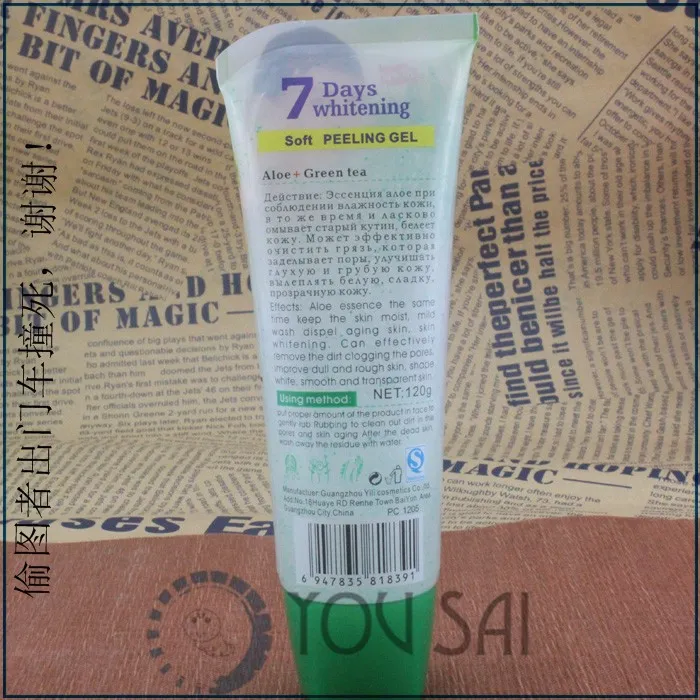
Understanding Skin Whitening
Skin whitening, also known as skin lightening or bleaching, is a cosmetic procedure aimed at reducing the melanin pigment in the skin to make it appear lighter. This can be achieved through various methods, ranging from topical creams to more intensive treatments. The desire for lighter skin tones is prevalent in many cultures, often driven by societal beauty standards. It’s essential to approach skin whitening with realistic expectations and a clear understanding of the processes involved and potential risks. Before embarking on any skin whitening journey, it is best to consult with a dermatologist. They can provide personalized advice based on your skin type, concerns, and goals. Moreover, they can help you understand the different methods available, their effectiveness, and any potential side effects. Prioritizing skin health and safety is paramount in achieving desired results while minimizing any risks.
What is Skin Whitening
Skin whitening is a broad term that encompasses various practices designed to lighten the skin. It involves reducing the concentration of melanin, the pigment responsible for skin color. This can be accomplished using various agents that interfere with melanin production or by removing existing melanin from the skin. Common methods include the use of creams, lotions, and serums containing active ingredients, such as hydroquinone, retinoids, vitamin C, and kojic acid. Chemical peels and laser treatments are also used for more aggressive skin lightening. The choice of method often depends on factors such as skin type, the desired degree of lightening, and the individual’s tolerance of the treatment.
How Skin Whitening Works

Skin whitening treatments work through several mechanisms. Some ingredients inhibit tyrosinase, an enzyme crucial for melanin production. Others may accelerate the shedding of skin cells, removing melanin-rich cells from the surface. Some treatments may also have antioxidant properties, protecting the skin from damage that can lead to hyperpigmentation. For example, hydroquinone, a common ingredient in skin-lightening products, acts by inhibiting tyrosinase. Vitamin C, on the other hand, acts as an antioxidant and may also inhibit melanin production. Retinoids increase cell turnover, thereby removing pigmented cells. Chemical peels and laser treatments can also reduce melanin concentration and remove damaged skin layers. Understanding these mechanisms is vital to knowing which treatments best fit your skin’s needs.
7 Day Skin Whitening Tips
Achieving noticeable skin whitening results within seven days requires a dedicated and consistent approach. It’s crucial to understand that while rapid results are possible, they often require a combination of targeted treatments and disciplined skincare habits. The following tips provide a streamlined approach to enhancing your skin’s brightness and clarity within a week. This plan focuses on gentle yet effective methods to make your skin appear lighter and more radiant. Remember to listen to your skin and adjust your routine if you notice any irritation or adverse reactions. Consistency is key, but so is being mindful of your skin’s unique needs. If you are allergic to some elements, avoid using those products, and find alternatives.
Tip 1 Exfoliate Regularly
Exfoliation is a cornerstone of any effective skin whitening routine. It removes dead skin cells that contain melanin, revealing brighter, fresher skin underneath. Regular exfoliation enhances the penetration of other whitening products, maximizing their effectiveness. Choose the right exfoliation method, and be careful not to overdo it, as excessive exfoliation can lead to irritation and damage. In addition to skin whitening, exfoliation helps maintain skin health by preventing clogged pores, which can cause breakouts, and improving skin texture. This is a critical step, so be sure to choose the right product for your skin type and needs.
Choosing the Right Exfoliator

Selecting the appropriate exfoliator depends on your skin type and sensitivity. Physical exfoliants, such as scrubs containing small granules, are good options for less sensitive skin, while chemical exfoliants, like AHAs (alpha hydroxy acids) or BHAs (beta hydroxy acids), can provide a deeper exfoliation. AHAs, such as glycolic acid, are effective at removing dead skin cells and improving skin texture. BHAs, like salicylic acid, penetrate pores to remove excess oil and impurities. For sensitive skin, consider gentle scrubs or low-concentration chemical exfoliants. Always patch-test any new product before applying it to your entire face. Start with a product that’s the right for your skin type, and if it doesn’t work, try another.
Frequency of Exfoliation
The frequency of exfoliation should be adjusted based on your skin’s tolerance. Start with exfoliating once or twice a week to avoid over-exfoliation, which can lead to dryness, irritation, and inflammation. If your skin tolerates it well, you can gradually increase the frequency, but never exfoliate more than three times a week. Over-exfoliation can weaken your skin’s natural barrier function, making it more susceptible to environmental damage. Pay close attention to how your skin feels after exfoliating. If it feels tight, red, or irritated, reduce the frequency or change to a gentler exfoliant. Consistency is important, but so is listening to your skin’s signals to maintain a healthy balance.
Tip 2 Use Vitamin C Serum
Vitamin C is a powerful antioxidant and skin brightener that helps to reduce melanin production and protect the skin from environmental damage. Using a vitamin C serum can significantly boost your skin whitening efforts. Vitamin C has a dual action, working both to lighten existing pigmentation and to prevent new dark spots from forming. This ingredient is beneficial for all skin types, especially when dealing with uneven skin tone or sun damage. Including vitamin C in your routine is essential for a comprehensive approach to skin whitening. Consider consulting a dermatologist for the right product selection to get started on a brighter complexion.
Benefits of Vitamin C for Skin

Vitamin C offers multiple benefits for skin whitening and overall skin health. It inhibits tyrosinase, the enzyme responsible for melanin production, thus reducing dark spots and hyperpigmentation. As an antioxidant, it protects the skin from free radical damage caused by UV exposure and pollution. Vitamin C also boosts collagen production, which improves skin elasticity and reduces the appearance of fine lines. It can improve skin texture and reduce the appearance of pores, leading to a more radiant and youthful complexion. The overall benefits of Vitamin C for skin whitening are extensive. It offers an all-around impact on skin appearance and health.
How to Apply Vitamin C Serum
Apply vitamin C serum in the morning after cleansing and before applying sunscreen. Dispense a few drops onto your fingertips and gently pat it onto your face and neck. Allow the serum to absorb completely before applying any other products. For best results, use a serum with a concentration of 10-20% vitamin C. It is important to store your vitamin C serum in a cool, dark place to maintain its efficacy. Use it consistently to see the best results. Starting with a lower concentration may be helpful if you have sensitive skin to avoid irritation. Also, always follow up with sunscreen, as vitamin C can make your skin more sensitive to the sun.
Tip 3 Incorporate a Sunscreen
Sunscreen is a non-negotiable step in any skin whitening routine, as it protects your skin from further darkening and damage. Exposure to the sun’s UV rays can trigger increased melanin production, negating the effects of your whitening treatments. Sunscreen not only helps maintain your skin’s lighter tone but also protects against premature aging, sunspots, and skin cancer. Integrating sunscreen into your daily routine is crucial for the effectiveness of any skin whitening strategy, allowing you to achieve and maintain a brighter complexion. It is always important to protect your skin, so you can achieve the best results.
Importance of Sunscreen

Sunscreen is essential because it shields the skin from harmful UV rays, which can stimulate melanin production and lead to skin darkening, uneven skin tone, and premature aging. It also protects against sunspots, which are a common concern for those seeking skin whitening. UV exposure can undo all of your hard work in a matter of days. By wearing sunscreen daily, you prevent the formation of new pigmentation and allow your skin whitening treatments to work more effectively. Regular sunscreen use is essential for keeping your skin healthy and achieving desired results. It protects the skin from potential damage caused by the sun’s harmful rays.
Choosing the Right SPF
Select a broad-spectrum sunscreen with an SPF of 30 or higher. Broad-spectrum sunscreens protect against both UVA and UVB rays, which are equally damaging to the skin. Apply sunscreen liberally, about a teaspoon for your face and neck, and reapply every two hours, especially if you’re spending time outdoors or swimming. Choose a sunscreen that suits your skin type, whether it’s a mineral sunscreen, a chemical sunscreen, or a combination of both. Consider the formulation (cream, lotion, or gel) based on your skin’s needs. Use sunscreen, and protect your skin.
Tip 4 Hydrate From Within
Staying hydrated is crucial for overall skin health and contributes to the effectiveness of your skin whitening efforts. Hydrated skin functions optimally, which helps in cell turnover and the absorption of skincare products. Dehydrated skin can appear dull and accentuate the appearance of fine lines, undermining the effort to achieve a brighter complexion. Drinking enough water, combined with other hydrating beverages, helps maintain skin’s plumpness and glow. Proper hydration supports the skin’s natural repair processes, making it more responsive to whitening treatments. Being hydrated will help your skin look better.
Benefits of Drinking Water

Drinking adequate water provides many benefits for skin health. Water helps flush out toxins, which can cause skin problems. It improves the skin’s elasticity and firmness, making it look smoother and more radiant. Well-hydrated skin is better able to absorb and utilize skincare products, including those used for skin whitening. Furthermore, drinking enough water supports the skin’s natural healing processes, promoting cell regeneration and a brighter complexion. This is a simple yet effective way to enhance your skincare regimen.
Other Hydrating Beverages
While water is the primary source of hydration, other beverages can also contribute to your daily fluid intake. Herbal teas, such as green tea and chamomile tea, offer hydration and contain antioxidants that benefit the skin. Coconut water is also a good hydrating option. Limit sugary drinks and excessive caffeine, as they can have a dehydrating effect. Aim for a variety of hydrating options throughout the day to support your skin’s hydration. By incorporating various hydrating beverages, you can further enhance the skin’s appearance and overall health.
Tip 5 Follow a Consistent Skincare Routine
Consistency is key to achieving any skin whitening results within a week. A well-structured skincare routine that is adhered to daily will maximize the effectiveness of your treatments and product absorption. Establish a routine that includes cleansing, exfoliating, applying treatment serums, and moisturizing, both in the morning and evening. Adapt your routine to your skin type, making sure each step supports your whitening goals. This consistency will make a significant difference in your skin’s overall brightness and clarity. A consistent routine is very important to see results.
Creating a Daily Routine

Your daily skincare routine should include cleansing, exfoliating, and moisturizing. Start with a gentle cleanser to remove impurities without stripping the skin of its natural oils. Follow with an exfoliant (2-3 times a week), depending on your skin type. Apply a vitamin C serum to brighten the skin. Always apply sunscreen in the morning to protect the skin from sun damage. Adapt your routine to your skin type, whether it’s sensitive, dry, or oily. Consistency and adaptation are key to achieving effective skin whitening results. A consistent routine is very important to see results.
Nighttime Skincare
Your nighttime skincare routine should focus on repairing and hydrating your skin. Cleanse your face to remove makeup, dirt, and oil. Apply a serum or treatment that targets skin whitening, such as those containing ingredients like retinol or kojic acid. Use a night cream to hydrate and rejuvenate your skin overnight. Ensure your routine includes all products suitable for your skin type. A consistent skincare routine helps in the maintenance of skin health. By following these steps, you will be able to see noticeable improvements.
Potential Risks and Considerations
While skin whitening can be effective, it’s essential to be aware of the potential risks and considerations. Some skin whitening products can cause irritation, redness, and dryness. Overuse of strong products can damage the skin’s natural barrier, making it more susceptible to environmental damage. Additionally, some ingredients, such as hydroquinone, have been linked to health concerns. It’s important to consult a dermatologist before starting any skin whitening regimen. They can guide you on safe and effective treatments for your skin type. Be sure to consult your doctor, and start small with products to prevent any damage.